Is Mohanthal Vegan? A Complete Ingredient Breakdown
By Mithdi Sweets | September 2, 2026
No, traditional mohanthal is not vegan. Classic mohanthal is made with besan (gram flour) roasted in generous amounts of ghee, and many versions are finished with khoya, both of which come from milk. If you are looking for one of the richest names among Gujarati dessert names, mohanthal sits near the top, but that richness is exactly why it does not fit a plant-based diet in its authentic form.
Today, on September 2, 2026, more shoppers than ever are asking sweet shops to be upfront about what goes into their mithai. So let's break mohanthal down ingredient by ingredient, and look at where vegan-conscious sweet lovers can turn instead.
What Goes Into Traditional Mohanthal
A proper mohanthal starts with coarse besan, sifted and then slow-roasted in ghee until it turns a deep golden colour and gives off a nutty aroma. This roasting step is what gives mohanthal its signature grainy, melt-in-the-mouth texture, and it simply cannot be skipped or replicated well without a fat that behaves like ghee. Many recipes also fold in khoya toward the end for extra richness, along with sugar syrup, cardamom, and a scatter of pistachios or almonds on top.
Why Ghee Is Non-Negotiable in the Classic Recipe
Ghee does more than add flavour here. It carries heat evenly through the besan, prevents lumping, and helps the mixture set into that crumbly, sandy texture that mohanthal is known for. Swap it for a neutral plant oil without adjusting the technique, and the texture usually turns dense or greasy rather than light. This is one of the reasons mohanthal has stayed close to its original recipe for generations, even as other parts of the history of Indian mithai have evolved with modern ingredients.
Vegan-Friendly Gujarati Sweets Worth Trying
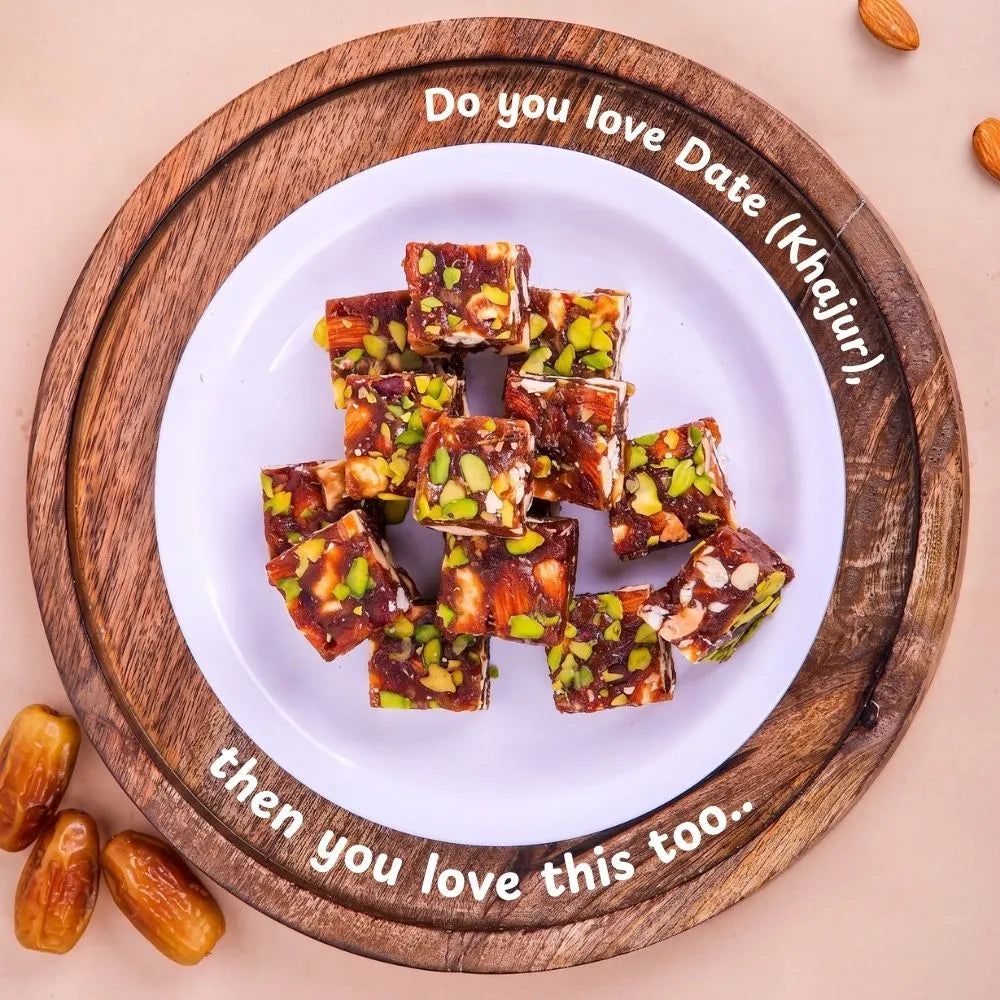
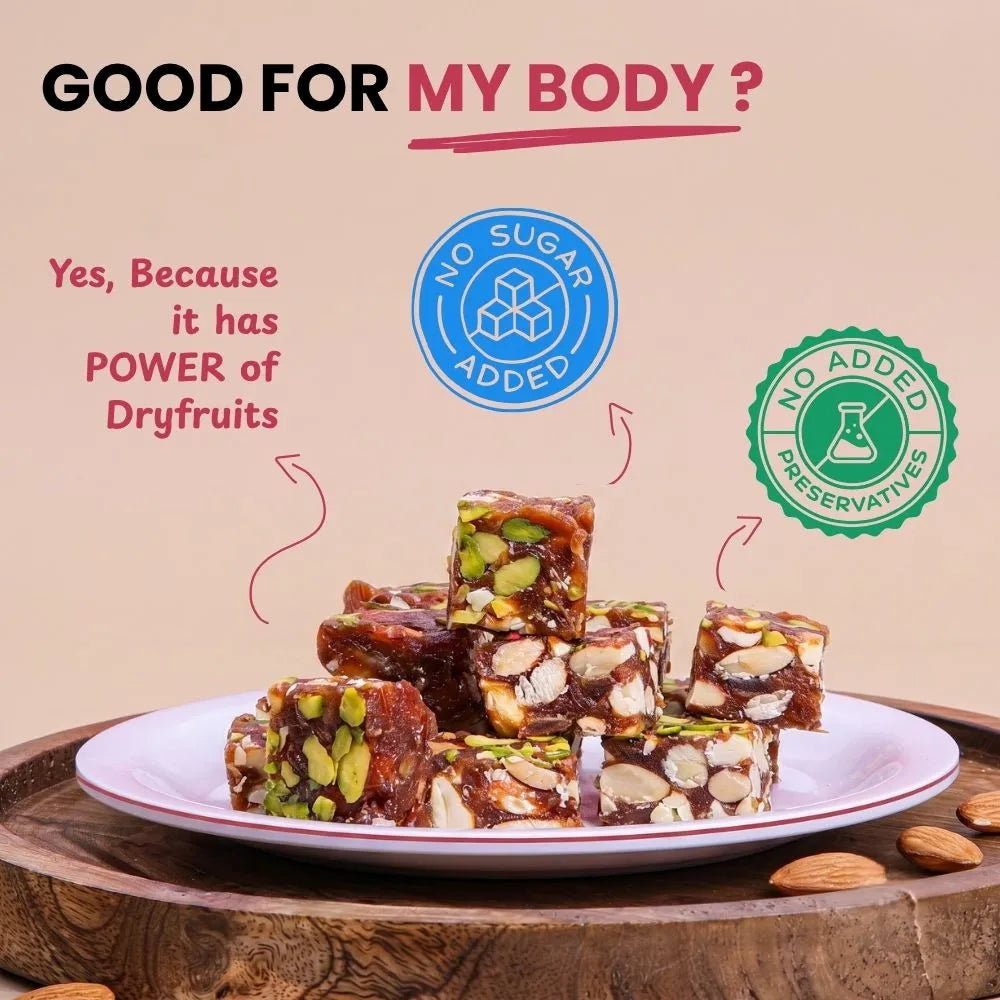
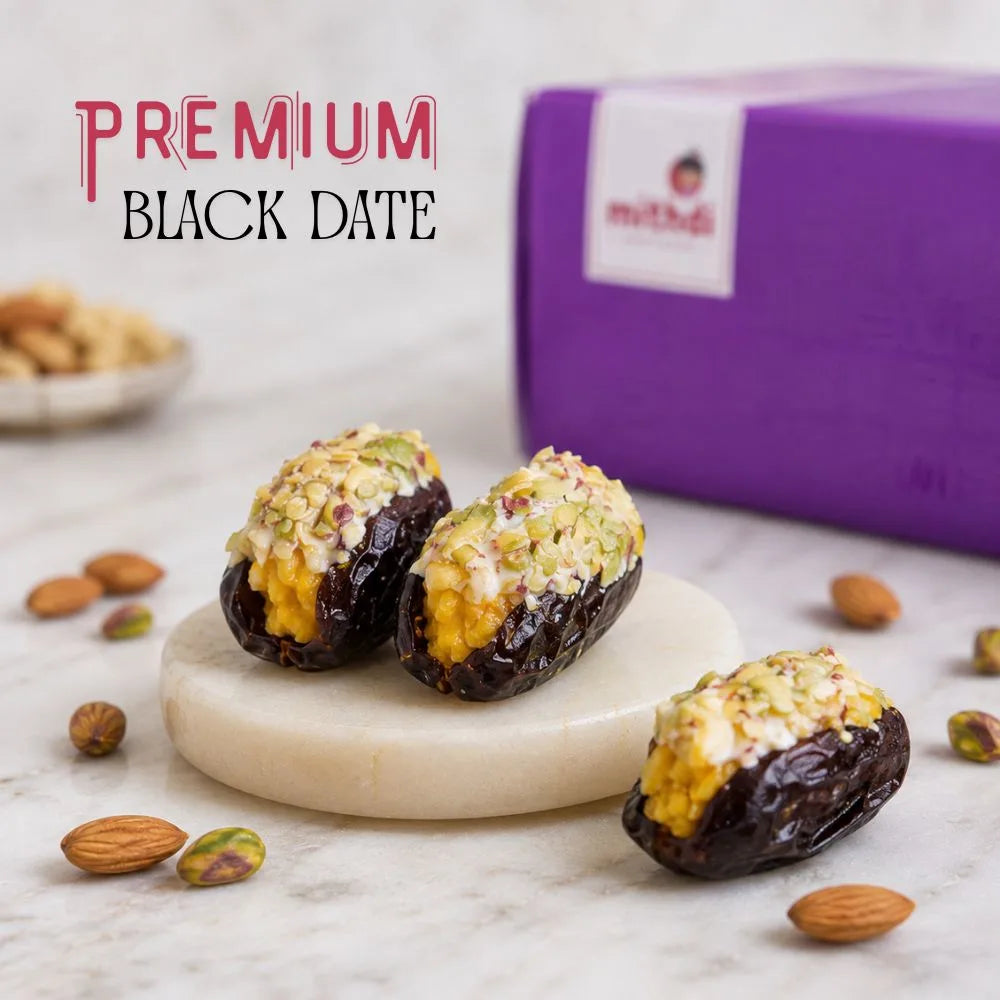
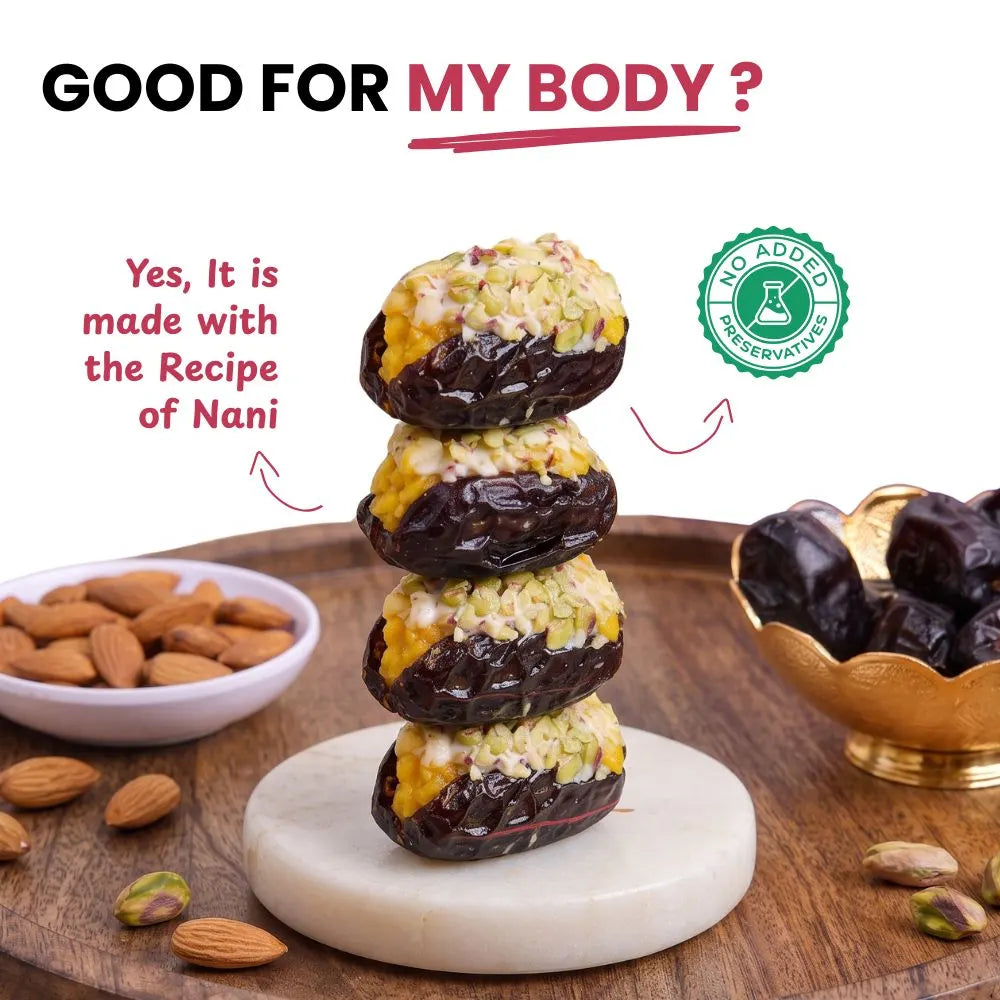
The good news is that Gujarat's sweet-making tradition is much wider than one dish, and plenty of options lean naturally toward dairy-free. Dry fruit and date-based sweets are usually your safest starting point. Our Khajur Chikki Date Bite and Black Khajur Chikki are built around dates, nuts, and seeds rather than ghee or khoya, which is why they tend to suit plant-based eating far better than a milk-based sweet like mohanthal.
Fig-based sweets follow a similar pattern. The Anjir Roll is rolled with figs and dry fruits rather than dairy fat, making it a good pick if you are trying to move away from ghee-heavy mithai without giving up on Gujarati flavours altogether. Even for shoppers exploring healthy sugar free sweets, these dry-fruit formats tend to check both boxes at once, since dates and figs bring natural sweetness without refined sugar.
A Word on Adadiya Pak and Similar Winter Sweets
It is worth flagging that not every dry-fruit-forward sweet is automatically vegan. Traditional adadiya pak, for instance, is still built on a base of ghee, even though it is loaded with edible gum and dry fruits. If you are unsure, it is always worth asking the shop directly which specific items skip dairy fat entirely rather than assuming based on the ingredient list alone.
What to Ask Before You Buy
Because "sweet shop" packaging rarely spells out every ingredient in detail, it helps to ask three direct questions before you order. First, does the sweet contain ghee, and is it dairy ghee or a plant-based substitute? Second, is khoya or milk powder used anywhere in the recipe or the garnish? Third, is the sweet finished with any milk-based glaze, like a silver leaf that sometimes uses non-vegetarian binding agents. A shop that answers these clearly, ingredient by ingredient, is usually one you can trust for other dietary questions too, including requests around sugar free sweets India shoppers often look for around festival season.
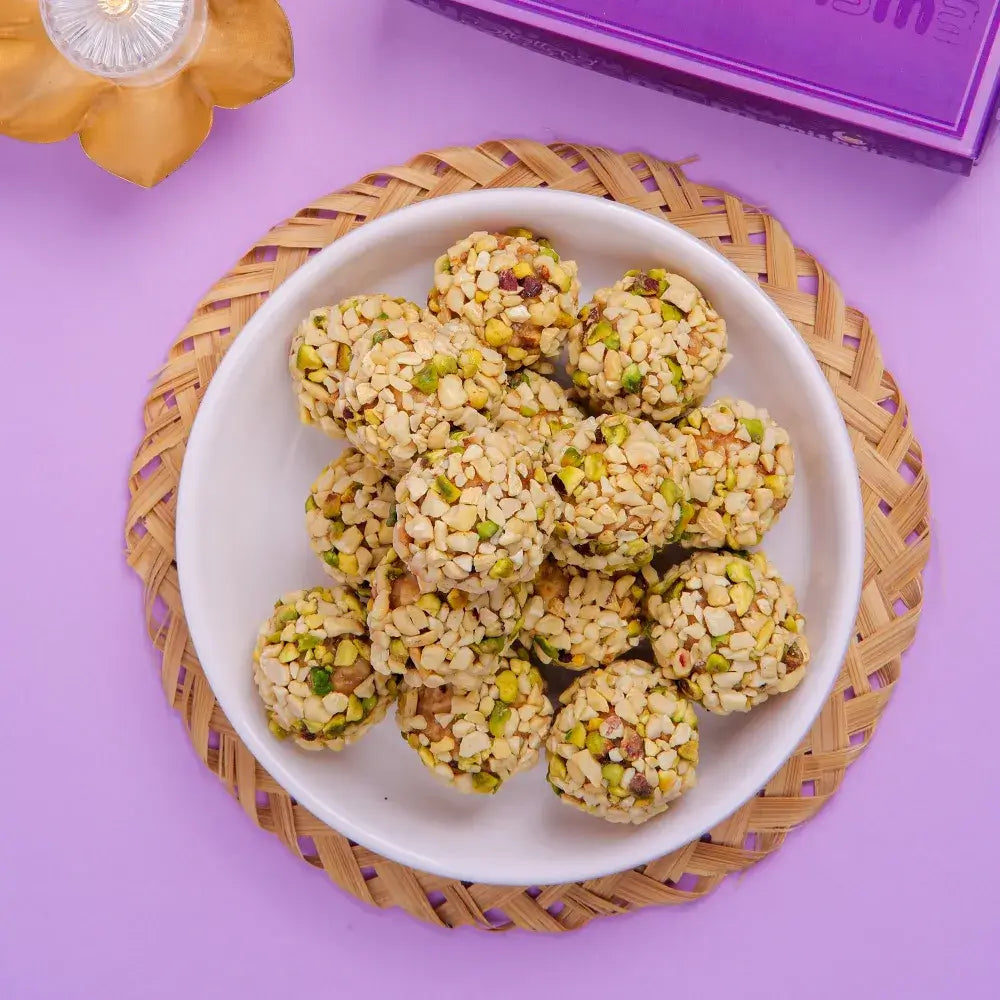
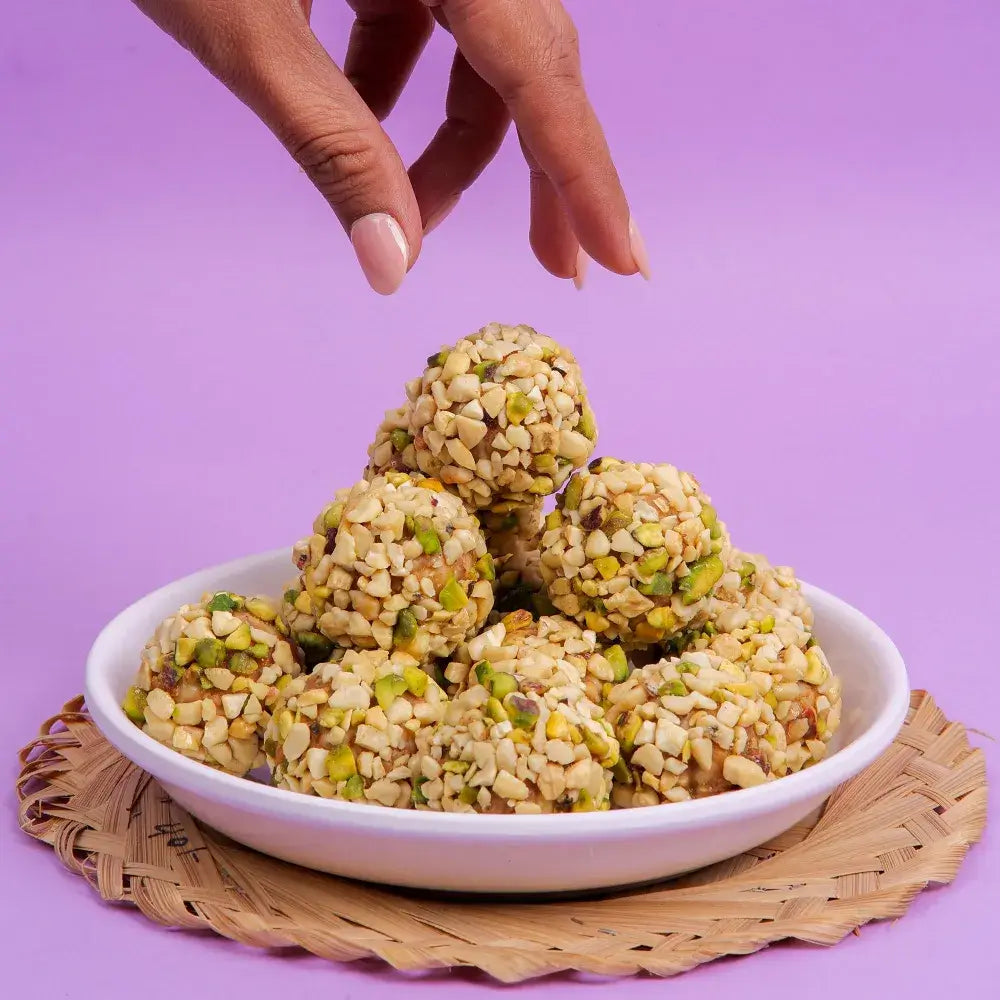
If you want to browse options built with this kind of transparency in mind, our Dry Fruit Sweets collection and Sugar Free Sweets collection group together items where dates, jaggery, and figs do most of the sweetening work, which naturally cuts down on dairy fat compared to classics like mohanthal. Items like our Energy Ball Low Sugar and Roasted Almond Ladoo are worth a closer look if you want something nut-forward rather than ghee-forward, though as always, check the label for your specific dietary needs.
Ready to Order?
Whether you are exploring dairy-free options or simply want to taste real Gujarati mithai made without preservatives or artificial colours, Mithdi has something made just for you. Visit mithdi.com to explore the full range, or place a bulk or corporate order here.
Frequently Asked Questions
Q: Is mohanthal ever made without ghee?
A: Some shops experiment with plant-based fats, but the texture and flavour usually change noticeably, since ghee is central to how the besan roasts and sets. If you are strict about avoiding dairy, it is safer to choose a sweet that was designed to be dairy-free from the start rather than a reworked version of a classic recipe.
Q: What other Gujarati sweets should I avoid if I want vegan options?
A: Alongside mohanthal, be cautious with sweets that traditionally use khoya or condensed milk as a base, such as milk cakes and certain barfis. These sit at the dairy-heavy end among common types of Indian sweets, while dry-fruit and jaggery-based sweets tend to sit at the more plant-friendly end.
Q: Are dry fruit chikkis a good vegan substitute for mohanthal?
A: They are a strong option for most people, since date and fig-based chikkis rely on natural binding from the fruit itself rather than ghee or khoya. That said, always check with the seller if a specific batch uses any dairy-based binding agent before assuming it is fully vegan.
Q: Can mohanthal be part of a sugar free diet even if it is not vegan?
A: Traditional mohanthal is usually made with refined sugar syrup, so it does not fit a sugar free diet either. If you want that same roasted, nutty flavour profile without the sugar, jaggery or date-sweetened besan-based sweets are a closer match than the classic recipe.
Q: How can I tell if a sweet shop's mithai is genuinely dairy-free?
A: Ask for the specific ingredient list rather than relying on the sweet's name alone, since two shops can make very different versions of the same mithai. A shop that is transparent about ghee, khoya, and garnish sources is generally more reliable for any dietary requirement, not just vegan ones.