Is Indian Mithai Gluten-Free? A Sweet-by-Sweet Guide
By Mithdi Sweets | September 3, 2026
If you've ever stood in front of a mithai counter wondering whether that piece of Kaju Katli is safe for a gluten-sensitive stomach, you're not alone. As more people pay attention to what goes into their food, "is Indian mithai gluten free" has become one of the most common questions we hear at Mithdi. On September 3, 2026, with festival season around the corner and gifting boxes flying off shelves, it felt like the right moment to answer this properly, sweet by sweet.
The short answer is: a lot of traditional mithai is naturally gluten-free, because so much of it is built on besan, dry fruits, milk solids, and dal rather than wheat flour. But a few popular items do use wheat-based binders or halwas made with atta, so it pays to know which is which before you dig in. This guide walks through the gluten free indian sweets you can enjoy with confidence, the ones that need a closer look, and how we approach it at Mithdi.
Why This Matters
Gluten sensitivity and celiac disease aren't rare anymore, and the awareness around them has grown fast. For a lot of families, this means mithai boxes get scanned more carefully than they used to, especially around weddings and festivals when everyone in the house is eating from the same tin. The good news is that Indian sweets, as a category, were never built around wheat the way Western baked goods were. Long before "gluten-free" was a label on a shelf, our grandmothers were making sweets from lentils, milk, and dry fruit simply because that's what was available and delicious.
Understanding Gluten in Indian Sweets
Gluten shows up in mithai mainly through wheat flour (atta or maida) used as a binder or base, or through certain halwas cooked with suji or atta as the primary ingredient. It can also sneak in through cross-contact, if wheat-based sweets are prepared on the same surface or with the same utensils as gluten-free ones. That's worth remembering: "naturally gluten-free ingredients" and "gluten-free certified" aren't quite the same thing, especially for anyone with celiac disease rather than a mild sensitivity.
A quick look at the history of Indian mithai actually helps explain why so much of it skews gluten-free by default. Regional Gujarati dessert names like Adadiya Pak, Kaju Katli, and Motichoor Ladoo all trace back to ingredients like gaund, cashew paste, besan, and dal, developed in kitchens long before refined wheat flour was a household staple in sweet-making.
Which Indian Sweets Are Naturally Gluten-Free
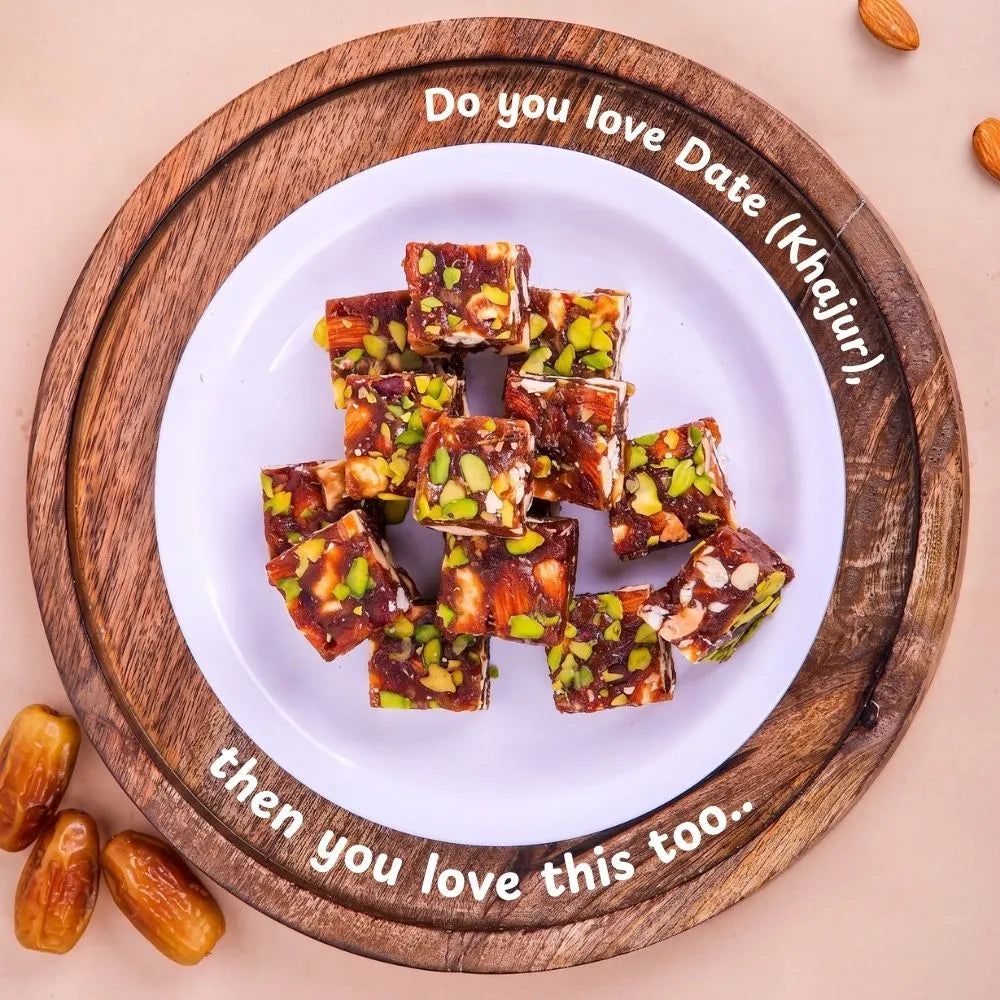
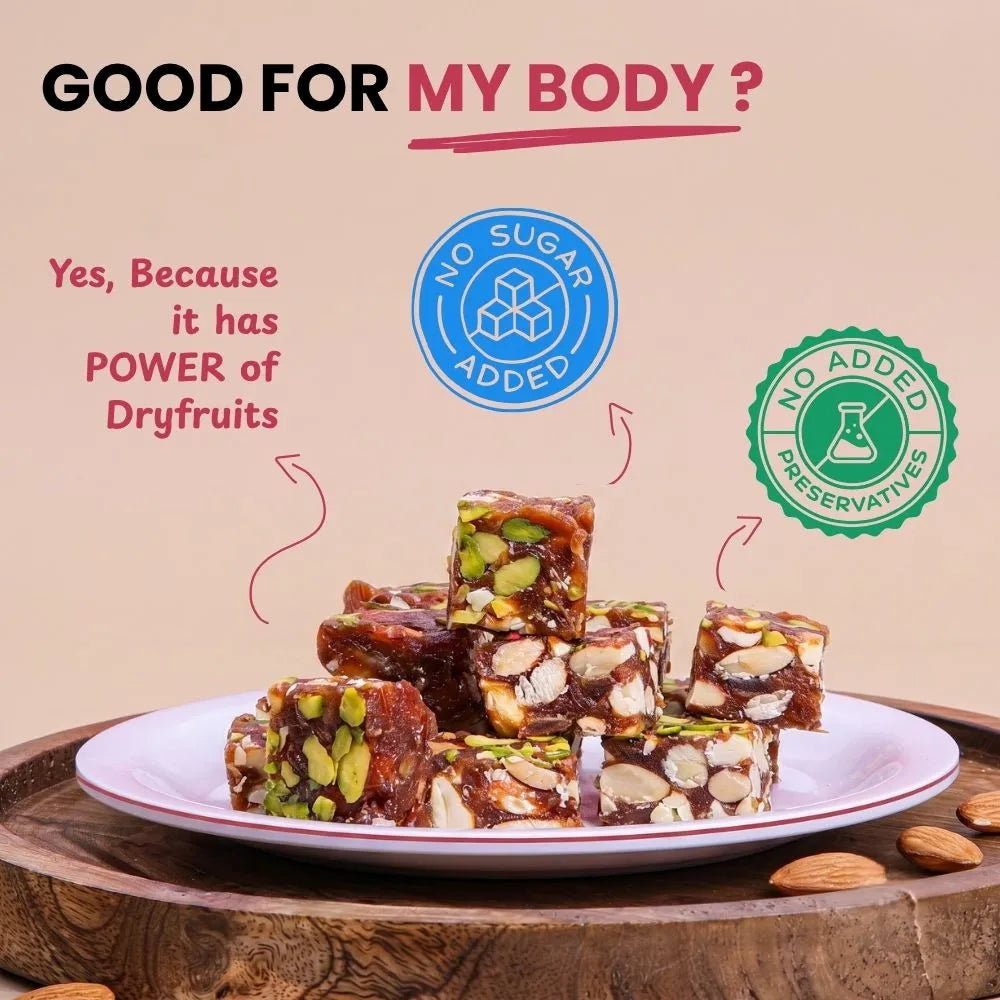
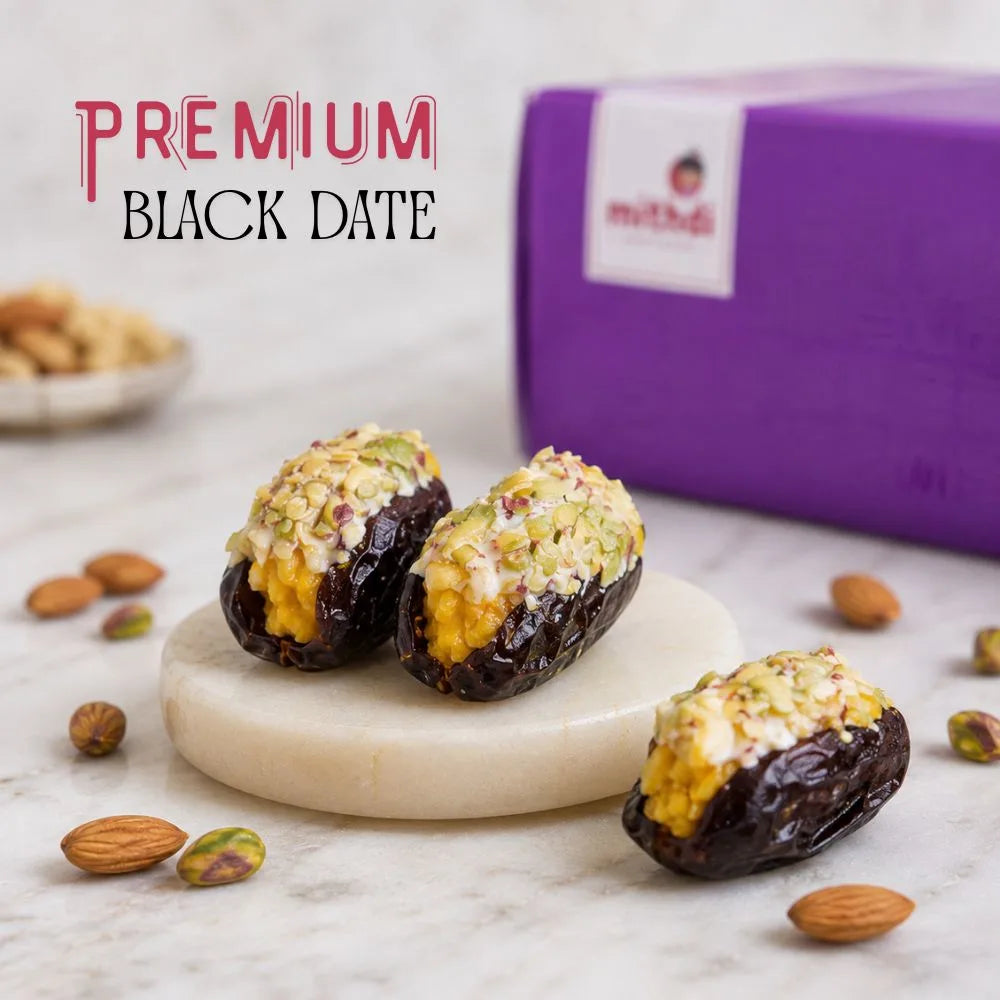
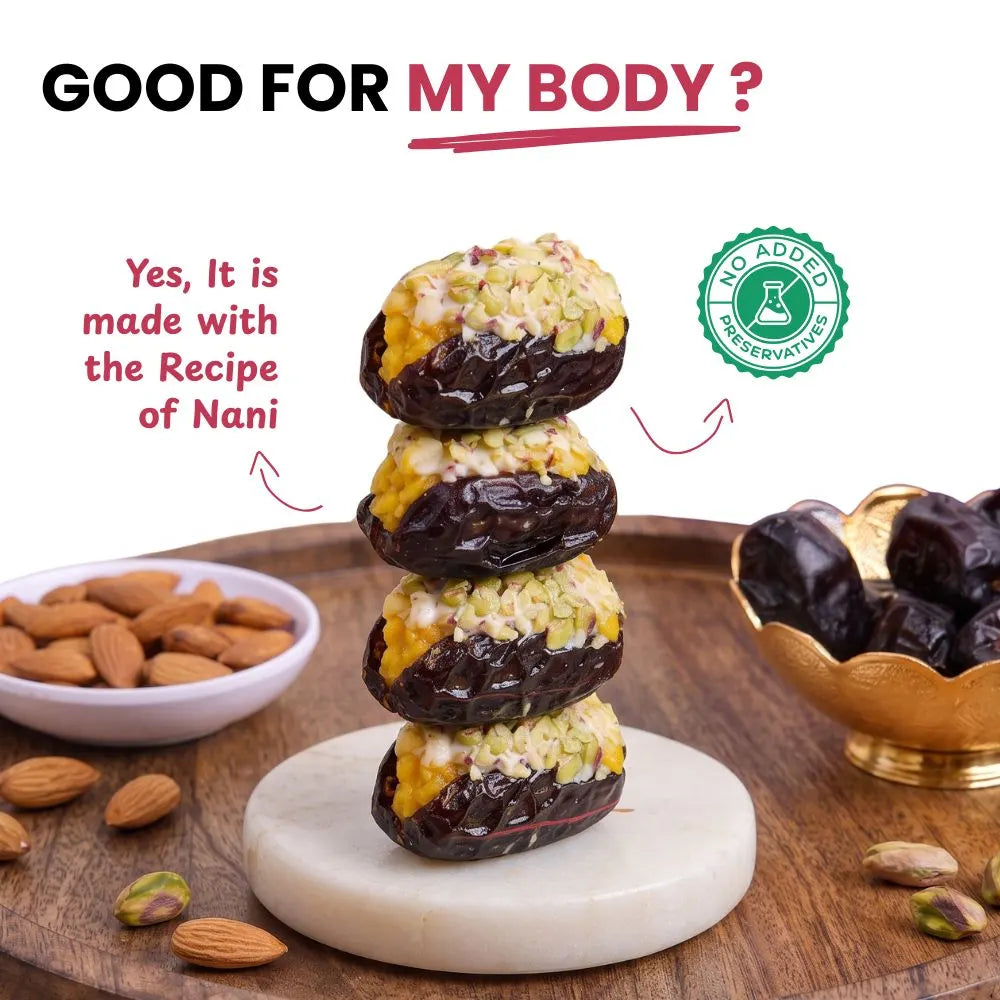
Here's a simple gluten free mithai list to keep handy. Most cashew, dry fruit, and besan-based sweets fall safely into this camp. Kaju Katli is made almost entirely of cashew paste and sugar, with no flour involved at all, which is why it's often the first sweet we recommend to anyone asking about gluten. Dry-fruit-forward options like Khajur Chikki Date Bite are built from dates, nuts, and seeds pressed together, with nothing wheat-based anywhere near the recipe.
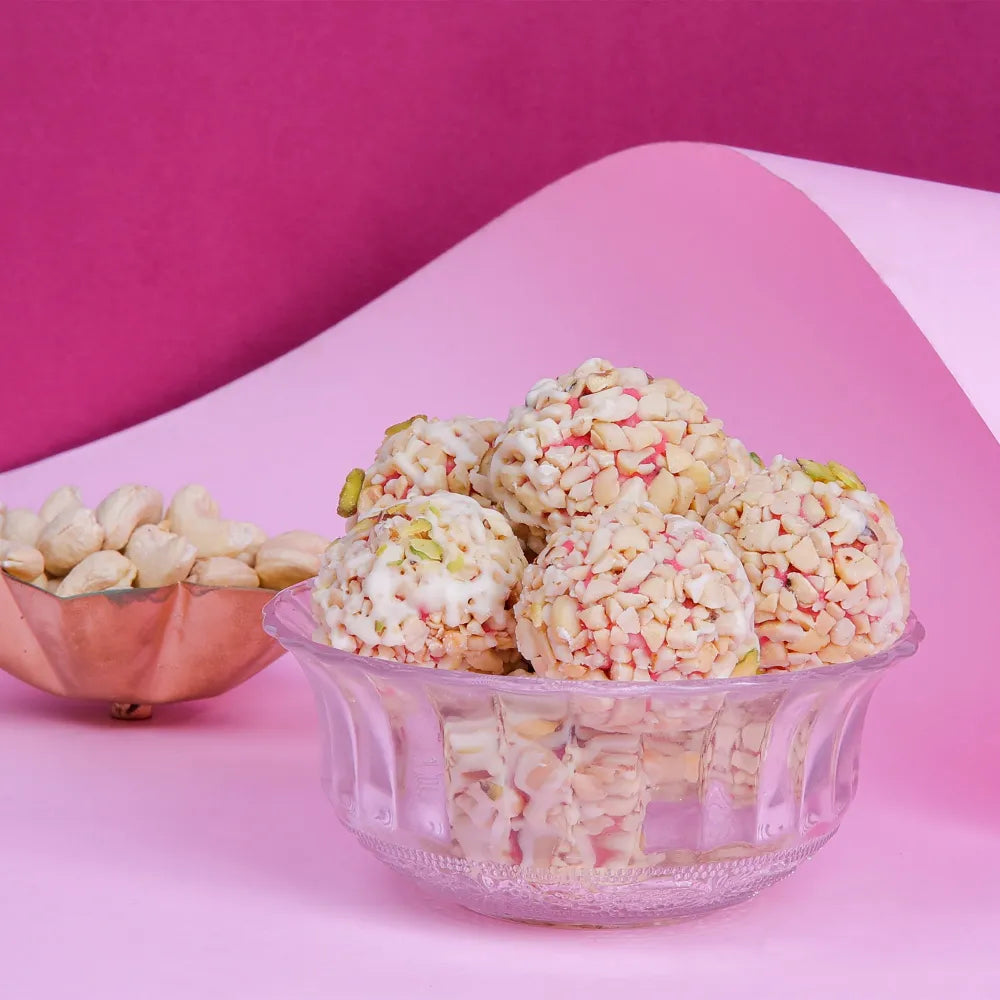
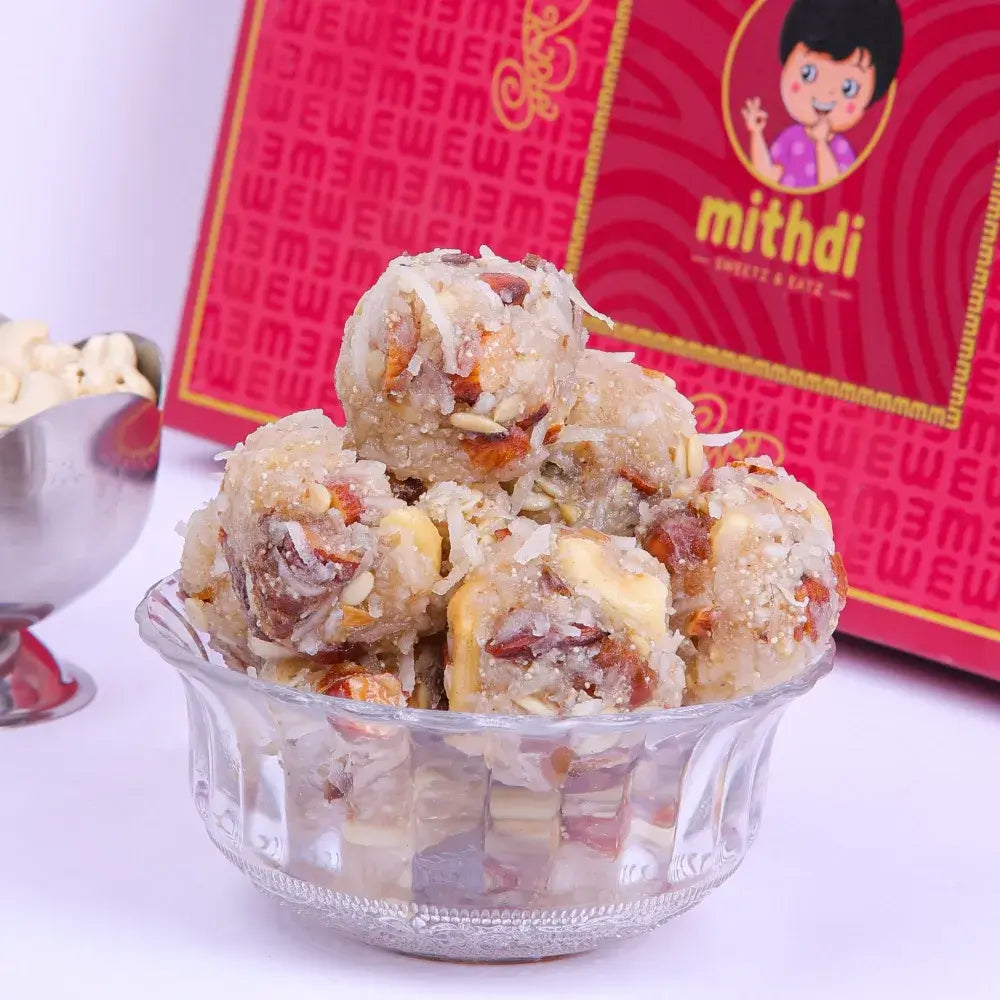
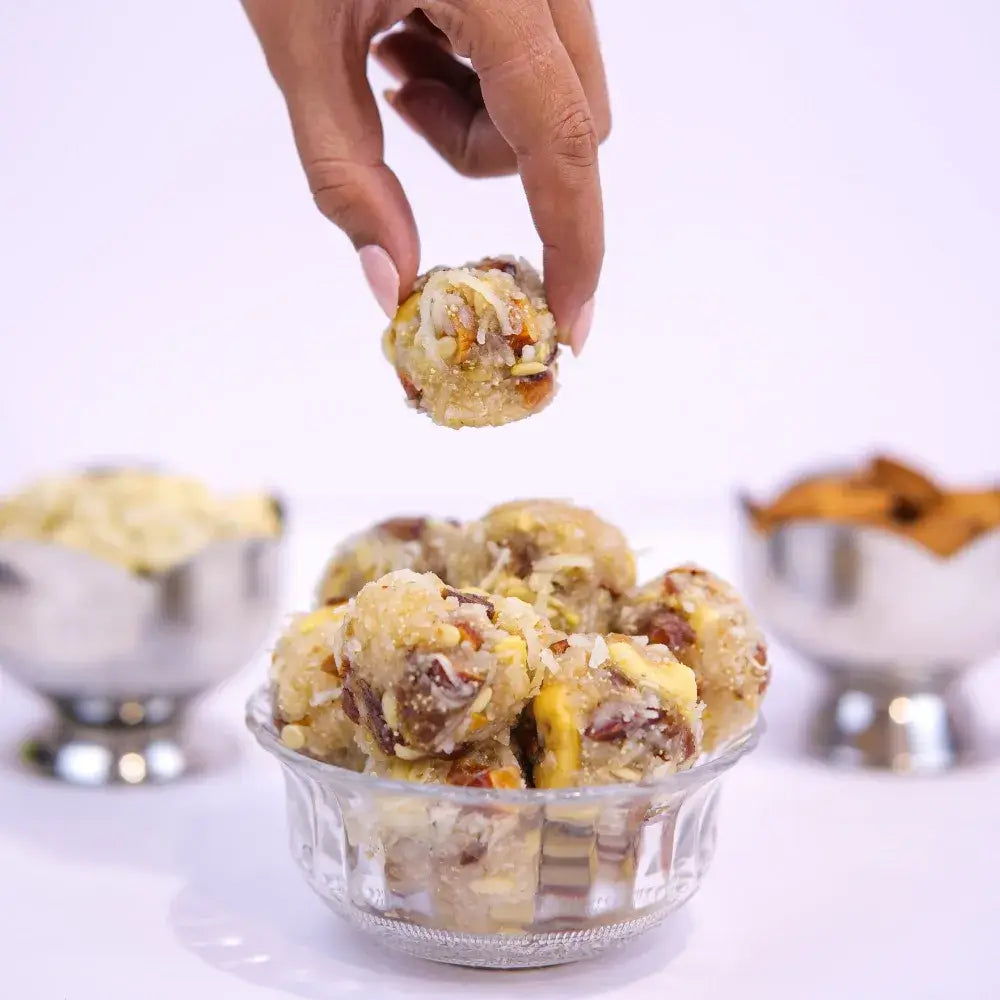
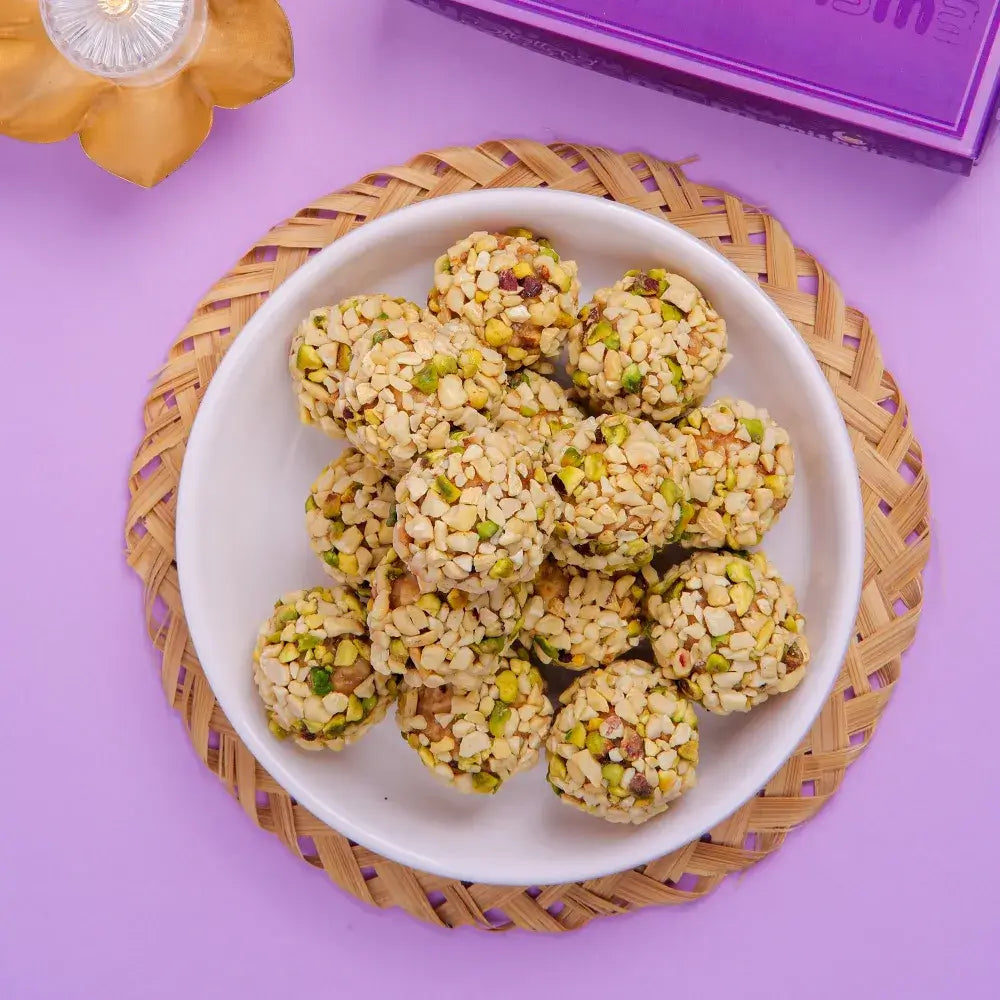
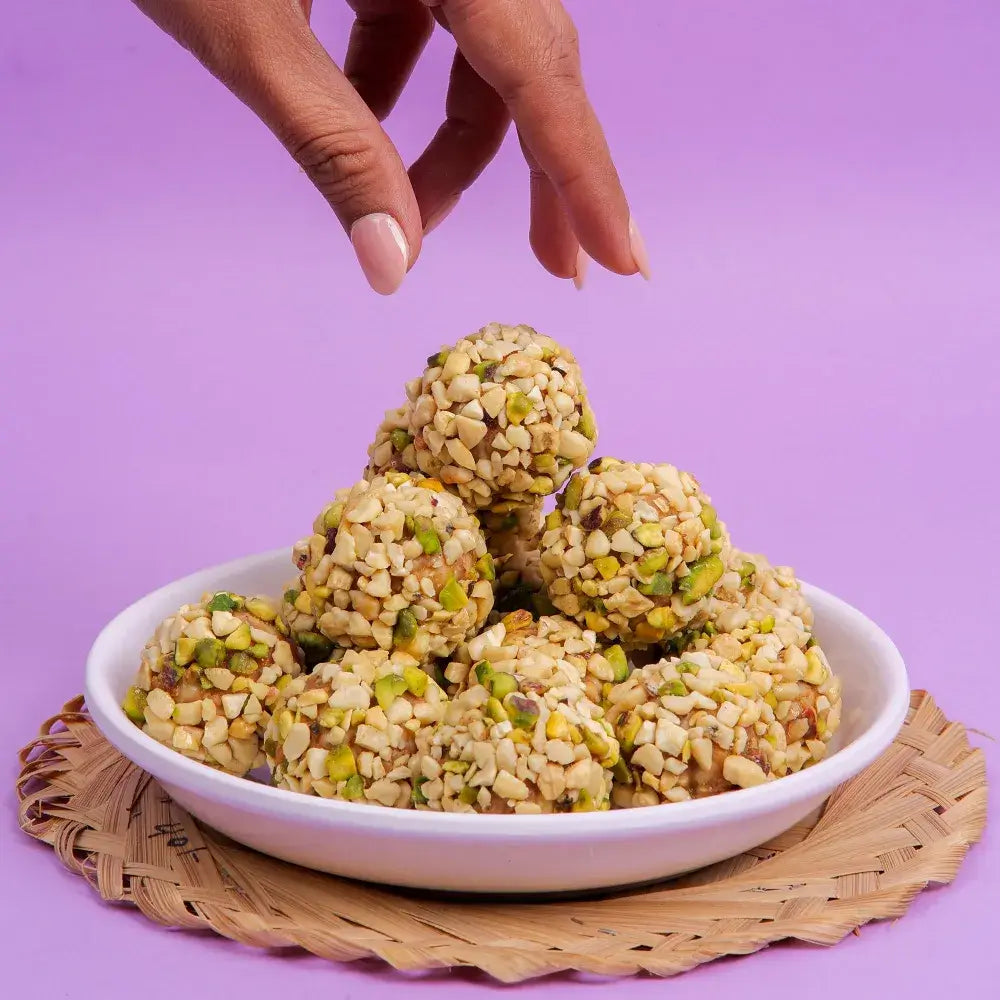
Ladoos made from roasted nuts or besan are usually safe too. Roasted Almond Ladoo and Kaju Pista Ladoo both lean on ground nuts rather than flour for their structure. Besan ladoo, made with gram flour, is technically gluten-free as well since besan comes from chickpeas, not wheat — though it's always worth checking with the maker if you're highly sensitive, since gram flour is sometimes processed in facilities that also handle wheat.
| Typically Gluten-Free | Often Contains Gluten |
|---|---|
| Kaju Katli | Mohanthal (wheat-flour binder) |
| Khajur Chikki / Date Bites | Sooji Halwa |
| Besan Ladoo, Motichoor Ladoo | Balushahi, Ghevar |
| Roasted Almond / Kaju Pista Ladoo | Some bakery-style barfis with flour fillers |
| Anjir Roll, Fig and Nut Bites | Wheat-based sev or namkeen mixed boxes |
Sweets to Watch Out For
A few well-loved sweets do use wheat flour as a structural ingredient, so they deserve a second glance. Mohanthal, in some traditional recipes, is bound with a small amount of wheat flour alongside besan, which can make it a grey area depending on how it's prepared. Sooji halwa is a clear one to skip, since semolina is a wheat product through and through. Deep-fried classics like balushahi and ghevar are also usually made from maida, so they sit firmly outside any gluten free indian sweets list.
A Note for Celiac Disease and Severe Sensitivity
If you're managing celiac disease rather than a mild intolerance, "naturally gluten-free ingredients" isn't quite enough on its own. Cross-contact in a kitchen that also handles wheat-based sweets is a real possibility, even when the recipe itself contains no flour. The safest approach is to ask the shop directly about their preparation process for the specific box you're buying, rather than relying on the sweet's name alone.
Mithdi's Gluten-Free-Friendly Picks
At Mithdi, we lean heavily into the dry-fruit and nut-based side of the mithai spectrum, which naturally keeps most of our range free of wheat flour. Alongside Kaju Katli, our Adadiya Pak Sugar Free is built on gaund, ghee, and dry fruits in the traditional Gujarati style, making it a favourite for anyone looking for both sugar-conscious and naturally flour-free options. If you're exploring healthy sugar free sweets more broadly, our full Sugar Free Sweets collection is a good place to start, since most items there are also naturally low in flour content.
How We Keep Things Simple
We prepare everything fresh daily using pure desi ghee, with no preservatives or artificial additives, which keeps our ingredient lists short and easy to check. For anyone new to the world of types of Indian sweets and unsure where to begin, browsing by ingredient rather than by name is often the easiest way in — nut-based, date-based, and besan-based sweets are almost always your safest starting point.
Ready to Order?
Whether you are celebrating a festival, planning a wedding, or sending a thoughtful corporate gift, Mithdi has something made just for you. Visit mithdi.com to explore our full range, or place a bulk or corporate order here.
Frequently Asked Questions
Q: Is Kaju Katli gluten free?
A: Yes, Kaju Katli is naturally gluten free, since it is made almost entirely from cashew paste and sugar with no wheat flour involved. It's usually the easiest sweet to recommend to anyone building a gluten free mithai list, though those with celiac disease should still confirm the kitchen's preparation practices.
Q: Is besan ladoo gluten free?
A: Besan is made from ground chickpeas, not wheat, so besan ladoo is generally considered gluten free. That said, besan is sometimes processed in facilities that also handle wheat flour, so if you have a severe allergy, it's worth checking with the specific maker before relying on it.
Q: Which Indian sweets should I avoid if I'm avoiding gluten?
A: Sweets like sooji halwa, balushahi, and ghevar are usually made with wheat flour or semolina and should be avoided. Some versions of mohanthal also use a small amount of wheat flour as a binder, so it's best to ask before assuming.
Q: Does Mithdi offer dedicated gluten-free mithai options?
A: Many of our sweets are naturally flour-free by recipe, including our cashew, dry-fruit, and nut-based lines, which makes them a strong fit if you're looking for gluten free indian sweets. We don't currently carry a certified gluten-free label, so anyone with celiac disease should reach out to us directly before ordering.
Q: Is mithai a good gift option for guests with dietary restrictions?
A: It can be, as long as you choose carefully. Nut-based and dry-fruit sweets tend to work well for gluten-sensitive guests, and pairing that with a sugar-free option covers even more of the table. Reading the ingredient list on the box, rather than guessing from the sweet's name, is always the safest approach for festival or wedding gifting.