Introduction
If you have grown up in a Gujarati household, you already know the feeling: the first chill of winter air, and a plate of Adadiya Pak waiting on the kitchen counter. Golden, dense, and fragrant with ghee and dry fruits — it is one of those foods that feels like a warm hug from the inside.
But if you are new to Gujarati sweets or are hearing about Adadiya Pak for the first time, you are in for a treat. This guide covers everything you need to know — what it is, how it is made, its health benefits, its different varieties, and where to order authentic Adadiya Pak online.
What is Adadiya Pak?
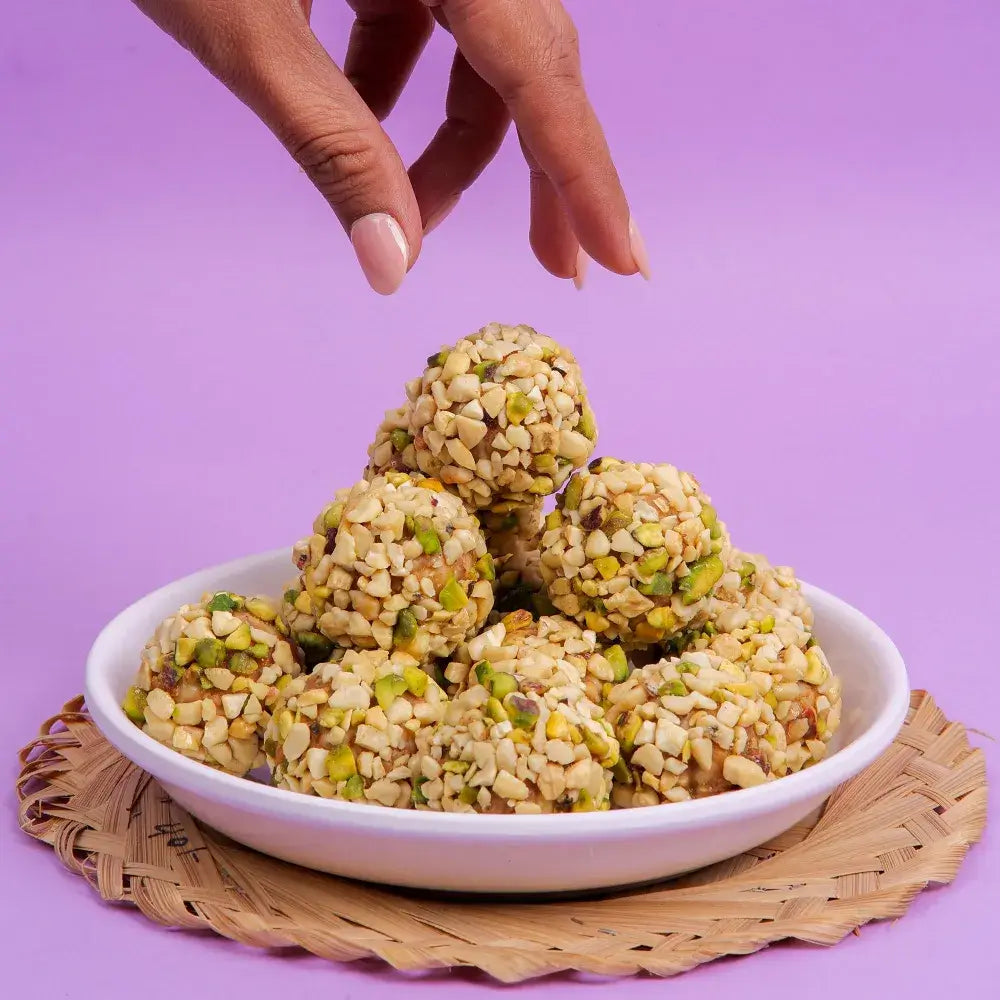
Adadiya Pak (also spelled Adadiya Pak or Adadia Pak) is a traditional Gujarati winter sweet (mithai) made primarily from urad dal (white lentil flour), pure desi ghee, and a combination of warming spices and dry fruits. The word 'Pak' in Gujarati means a sweet preparation made by cooking with sugar syrup or jaggery — similar to barfi but denser and richer.
It is typically prepared and consumed during the winter months — from November through February — because its high ghee and protein content is believed to generate body heat, strengthen immunity, and support joint health during cold weather. It is not just a sweet: it is a time-honoured, nutritionally intentional food that Gujarati families have been making for generations.
Adadiya Pak is a winter superfood disguised as a sweet. Every ingredient has a purpose.
The Key Ingredients in Adadiya Pak
What makes Adadiya Pak special — and different from most Indian sweets — is the deliberate combination of ingredients, each chosen for both flavour and health:
Urad Dal (White Lentil) Flour: The base ingredient. Urad dal is extremely high in protein, iron, and B vitamins. When roasted in ghee, it becomes nutty, rich, and deeply satisfying.
Pure Desi Ghee: Not refined oil, not hydrogenated fat — pure clarified butter. Ghee is considered a natural joint lubricant in Ayurvedic medicine and is essential for absorbing fat-soluble vitamins.
Dry Fruits: Typically almonds, cashews, pistachios, and sometimes raisins — adding texture, healthy fats, and micronutrients.
Warming Spices: Dry ginger (soonth), black pepper, pipli (long pepper), and sometimes edible gum (goond/dink) — all known in Ayurveda to support digestion and generate internal warmth.
Natural Sweeteners: Traditionally sugar or jaggery, depending on the recipe variant.
3 Varieties of Adadiya Pak
Not all Adadiya Pak is the same. Here are the three most common varieties you will find:
1. Classic Adadiya Pak
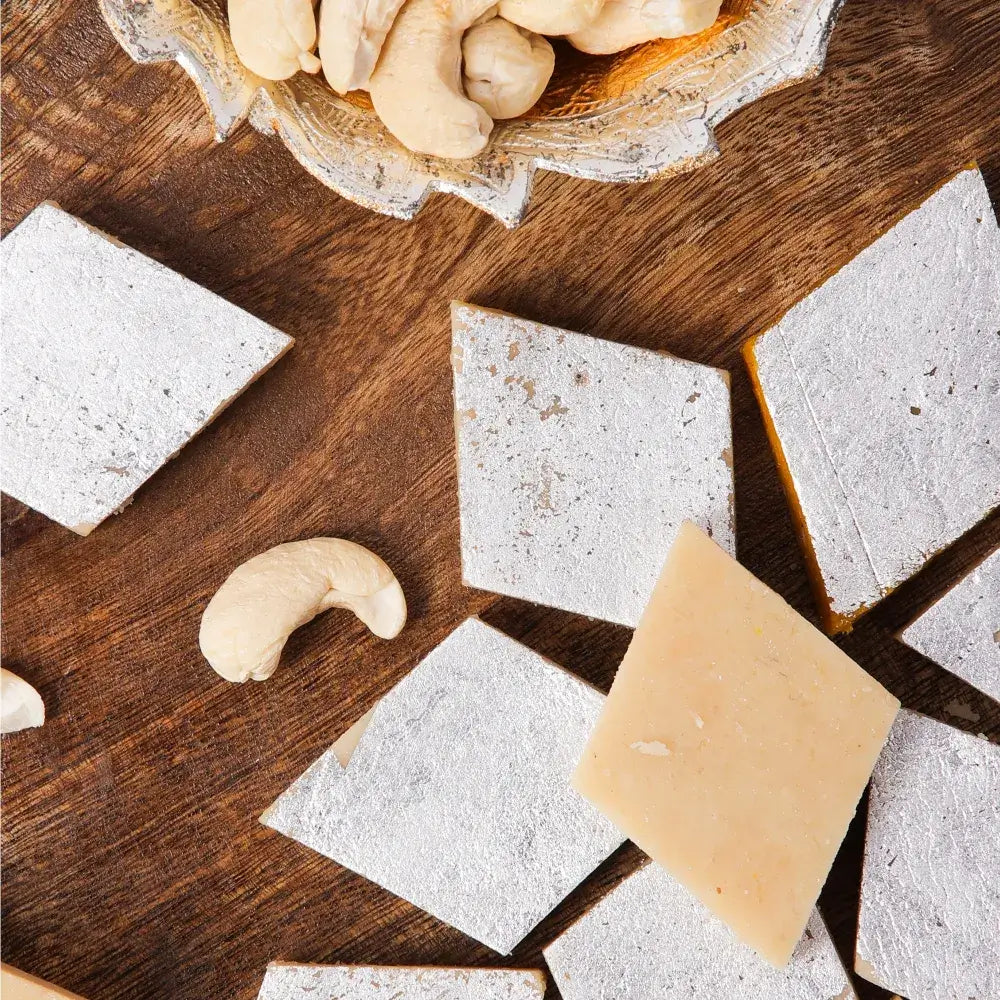
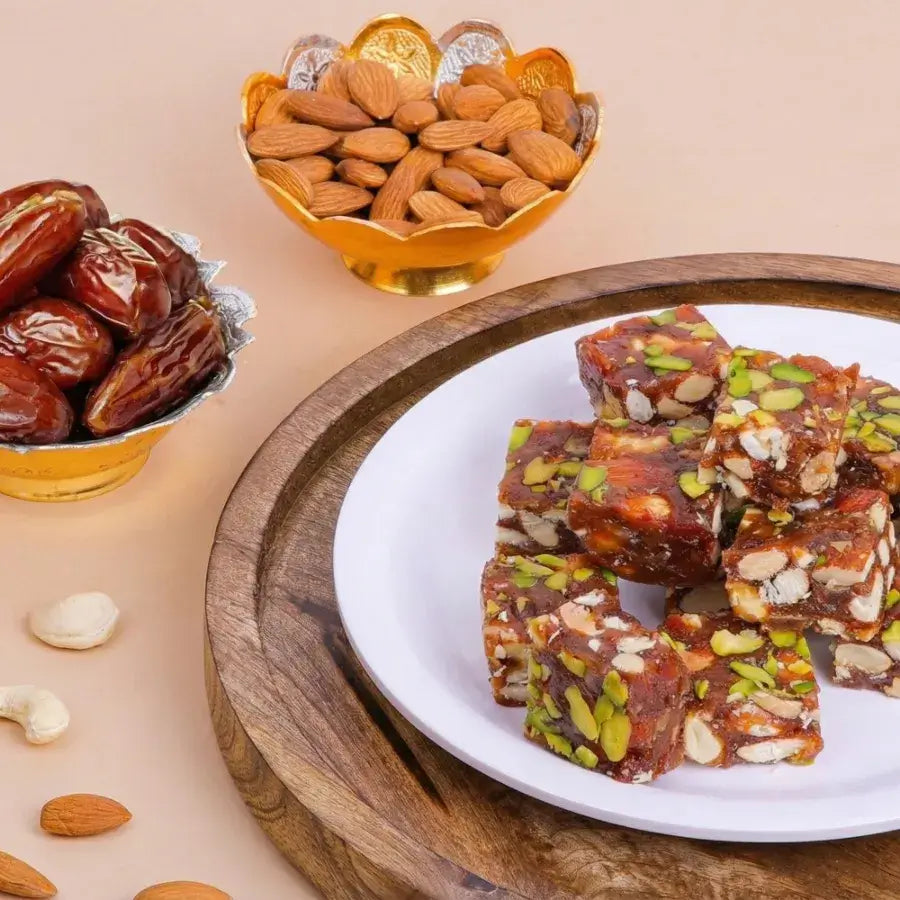
The traditional version — urad dal, ghee, sugar, dry fruits, and warming spices. Dense, golden, and firm enough to be cut into squares. This is the version most Gujarati families make at home and what you will find in most mithai shops in Surat.
2. Jaggery Adadiya Pak
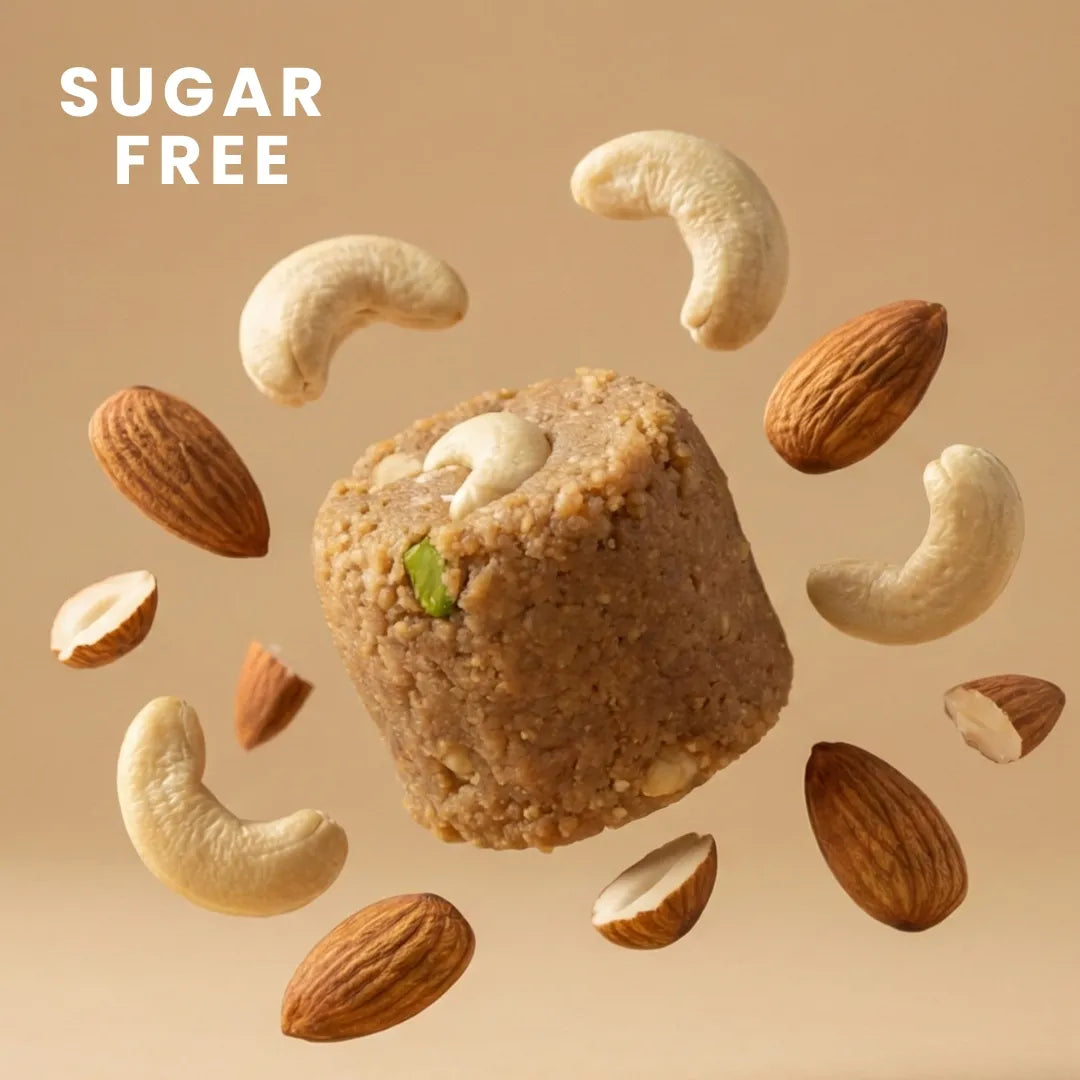
A healthier variant where refined sugar is replaced with natural jaggery (gur). Jaggery adds a deeper, slightly earthy sweetness and is considered better for digestion and iron absorption than white sugar. A great option for those who want to reduce refined sugar intake while still enjoying the traditional taste.
3. Dry Fruit Adadiya Pak (Premium)
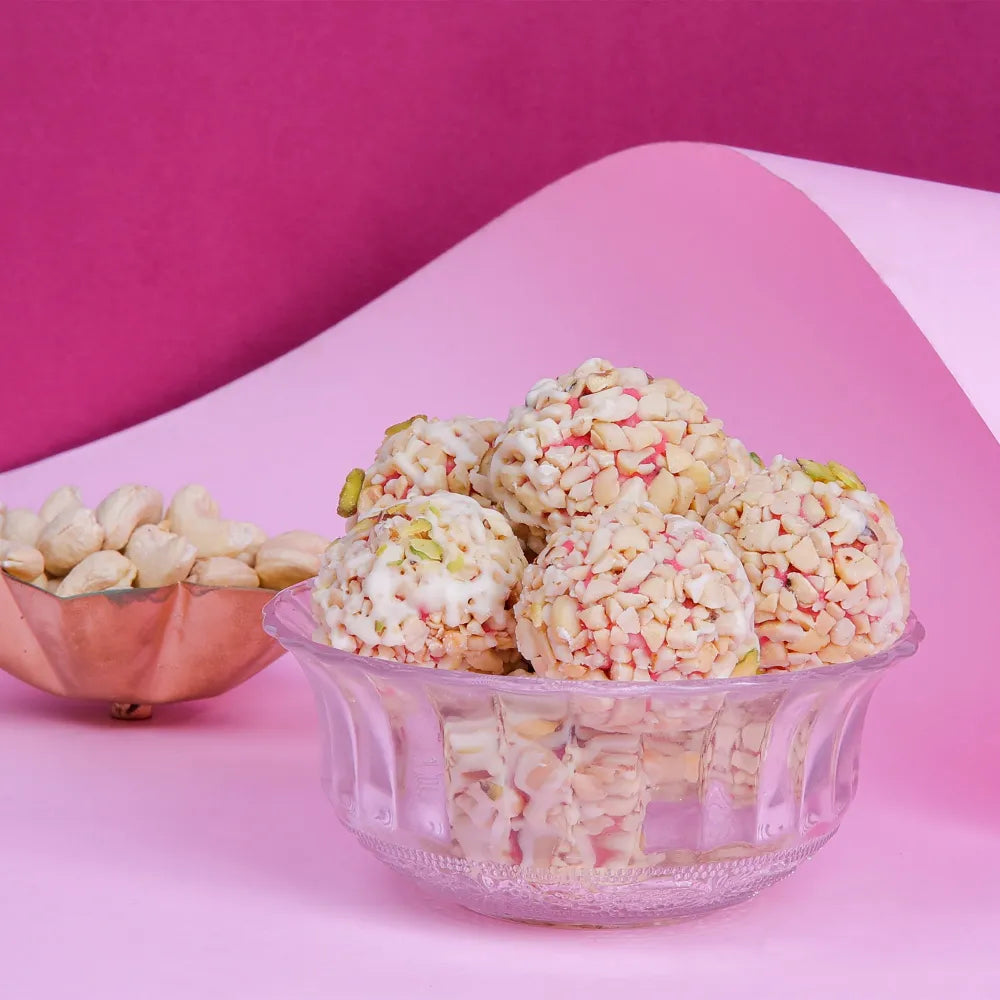
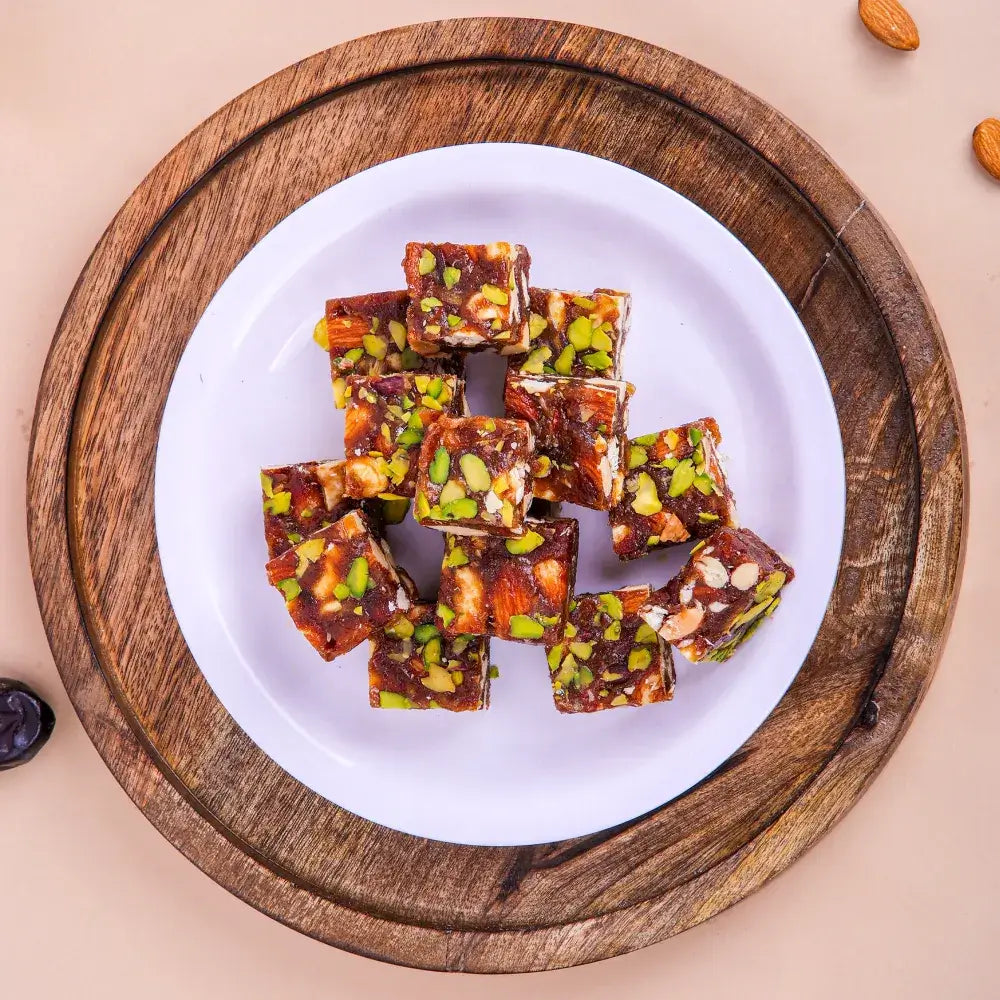
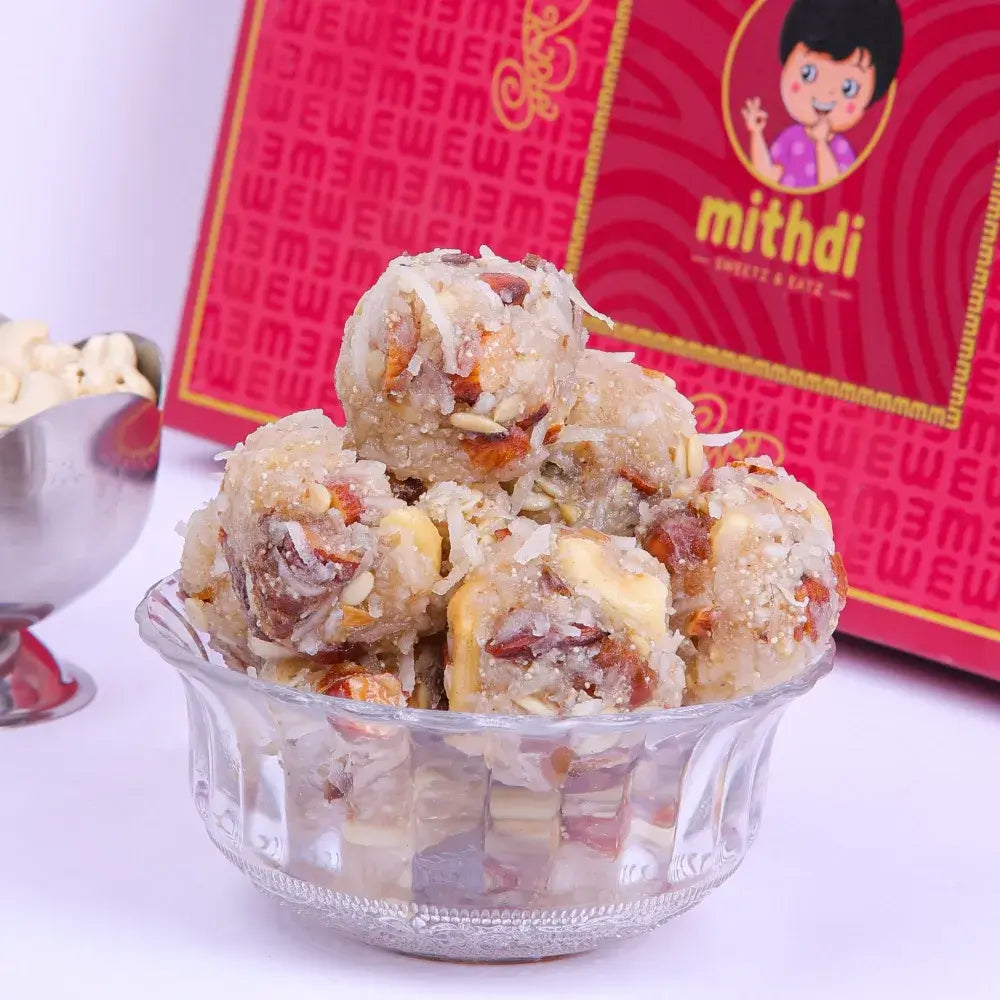
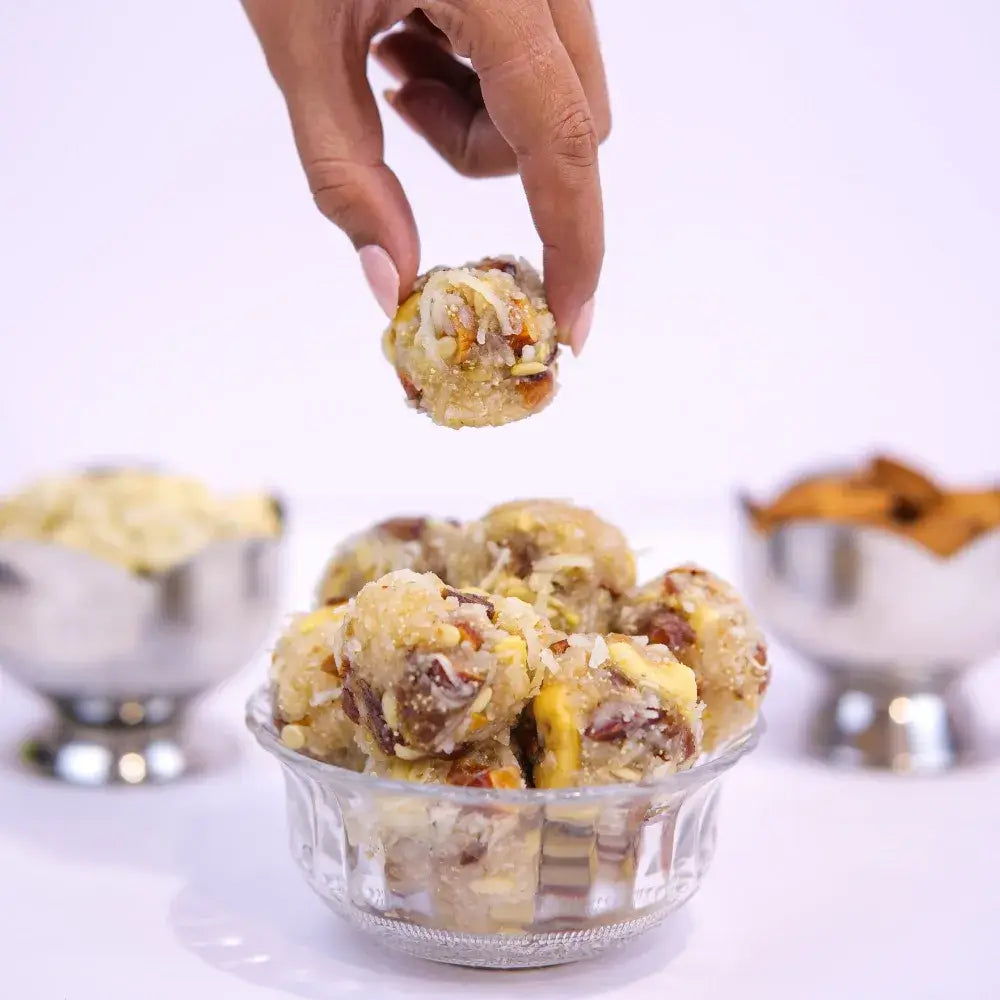
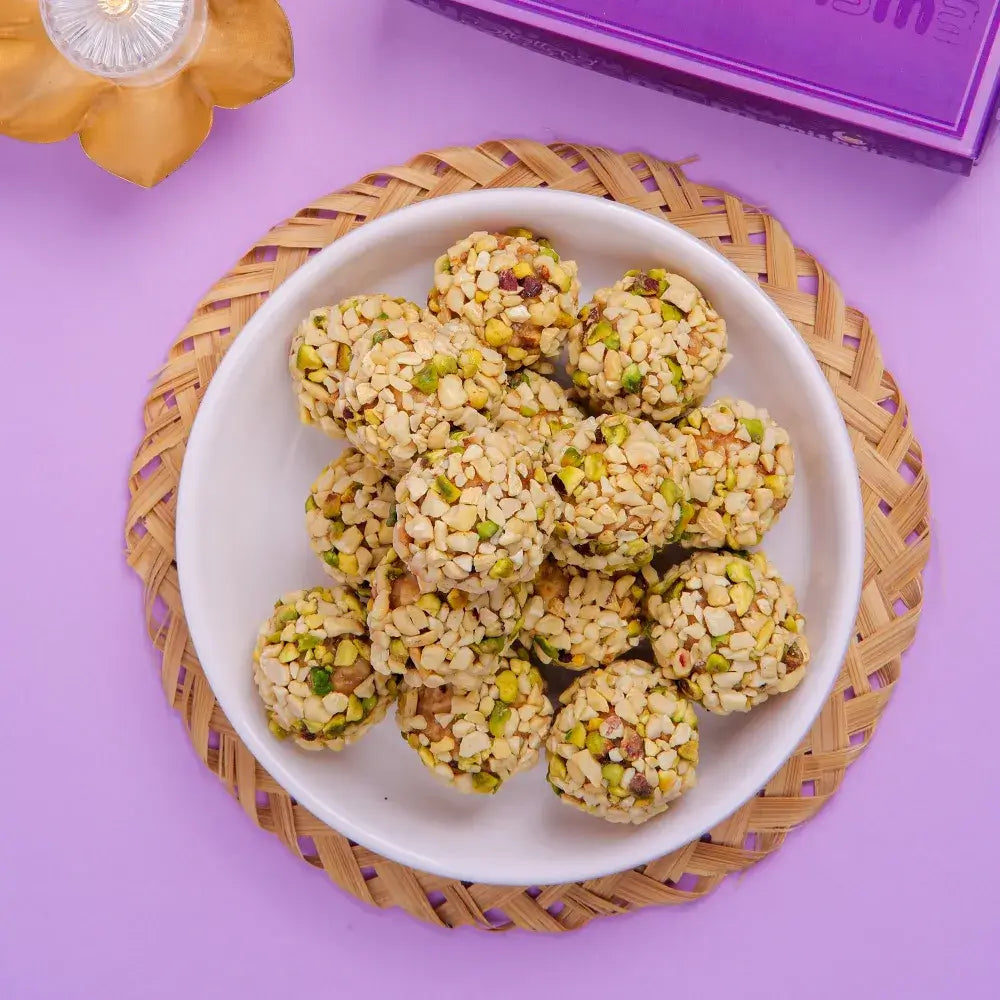
A premium version where the proportion of dry fruits — almonds, cashews, pistachios — is significantly higher. This results in a richer, denser, more luxurious sweet that is often given as a gift during weddings, festivals, and special occasions.
At Mithdi, we offer all three varieties — made fresh in Surat, with no preservatives or artificial additives.
Health Benefits of Adadiya Pak
Adadiya Pak is not a health food in the modern supplement sense — it is a calorie-dense traditional sweet. But when consumed in moderation during winter, its ingredients offer genuine benefits:
• High protein from urad dal supports muscle maintenance and reduces fatigue
• Pure ghee aids fat-soluble vitamin absorption and is believed to lubricate joints
• Dry ginger and black pepper support digestion and generate warmth internally
• Edible gum (goond) supports bone strength and is traditionally given to new mothers
• Iron and B vitamins from urad dal support energy and blood health
The key is portion control — one to two pieces per day during winter is the traditional recommendation. It is not a year-round snack: it is a winter tonic in sweet form.
How is Adadiya Pak Made? (Traditional Process)
Making authentic Adadiya Pak is a labour-intensive process that requires patience, the right proportions, and — above all — quality ingredients. Here is a simplified overview:
1. Urad dal is washed, dried, and ground into a fine flour
2. The flour is slow-roasted in a generous quantity of pure desi ghee until golden and fragrant — this can take 30 to 45 minutes of continuous stirring
3. Warming spices (soonth, black pepper, pipli, edible gum) are added and cooked briefly
4. A sugar syrup is prepared and mixed into the roasted dal mixture
5. Chopped dry fruits are folded in
6. The mixture is spread onto a greased tray, allowed to set, and cut into squares or diamonds
The skill is in knowing when the dal is perfectly roasted (not raw, not burnt), and in getting the sugar syrup consistency right. Too loose and it won't set; too firm and it becomes crumbly.
When to Eat Adadiya Pak
Traditionally, Adadiya Pak is eaten in the morning — ideally with a glass of warm milk — during the winter months. Some families also give it as a post-meal sweet during winter lunches and dinners. In Gujarat, it is a staple in the winter kitchen from Diwali through Makar Sankranti.
How to Order Authentic Adadiya Pak Online
If you are outside Gujarat and craving authentic Adadiya Pak, Mithdi ships fresh from Surat across India. Here is why ordering from us is different from your average online mithai:
• Made in small batches — no mass production
• Pure desi ghee — no refined oil or hydrogenated fats
• No preservatives, no artificial colours
• FSSAI certified kitchen
• 4.8-star customer rating
• Delivered in tamper-proof, hygiene-sealed packaging
Order your Adadiya Pak at mithdi.in — and taste the difference that real ghee and a traditional recipe make.
Frequently Asked Questions
Is Adadiya Pak available year-round? We produce it primarily in the winter months (October–February) to maintain tradition and freshness. Check our website for current availability.
How long does Adadiya Pak stay fresh? When stored in an airtight container in a cool, dry place, it stays fresh for 15 to 20 days. In the refrigerator, up to 30 days.
Can diabetics eat Adadiya Pak? The classic version contains sugar and is not suitable for diabetics. However, our jaggery variant has a lower glycemic impact. We recommend consulting your doctor before consuming.
Do you ship outside India? Currently we ship across India. For international enquiries, contact us directly.