How to Spot Fake or Adulterated Mithai: A Consumer's Checklist
By Mithdi Sweets | September 23, 2026
It's September 23, 2026, Navratri is in full swing, and Diwali is only a few weeks away. Every year around this time, the same question lands in our inbox and our shop counter in Mota Varachha: "How do I know this mithai is actually safe to eat?" It's a fair question, and an important one. Festival season is when demand for Indian mithai online explodes, and unfortunately, it is also when adulteration cases spike across the country.
We have spent years learning what genuine, ghee-based Gujarati sweets should look, smell, and taste like, and we think every buyer deserves to know the difference too — whether you are shopping from us or from anyone else. This guide walks you through exactly what to check before you buy, so you can enjoy traditional Indian sweets with real peace of mind this season.
Why Adulteration Spikes During Festival Season
Every year, food safety bodies across India report a sharp rise in adulterated mithai seizures in the weeks around Diwali. The reason is simple economics: demand for sweets multiplies almost overnight, and dishonest manufacturers try to meet that demand by cutting corners on ingredients that are expensive to source properly — pure desi ghee, real khoya, genuine dry fruits, and actual silver vark. Instead, some batches get padded with vegetable fat, synthetic colours, chalk-based whiteners, or aluminium foil dressed up as silver.
This is exactly why we built our own process around a few non-negotiables: no preservatives, no artificial colours, no artificial flavours, and everything prepared fresh in small daily batches rather than stockpiled weeks in advance for the festival rush. When you understand what adulteration actually looks like, you stop having to simply trust a label and start being able to verify it yourself.
A Quick History Lesson First
It helps to remember that the history of Indian mithai goes back centuries, built almost entirely around milk, ghee, jaggery, and nuts — ingredients that were always meant to be eaten fresh, within days, not months. Anything that behaves very differently from that — sweets that sit unnaturally shiny for weeks, or smell nothing like dairy or ghee — is already breaking from tradition, and that break is usually where the problem starts.
The Checklist: Seven Signs of Adulterated Mithai
Keep this list handy the next time you're buying from a sweet shop near me or ordering Diwali sweets online. None of these checks require special equipment — just your eyes, nose, and a little patience.
- Unnaturally bright or uniform colour. Genuine besan ladoo, kaju katli, or motichoor laddu will show slight natural variation in shade from batch to batch. If every piece in the box is identically neon-yellow or unnaturally white, synthetic colouring is a strong possibility.
- A chemical or artificial smell instead of a ghee aroma. Real ghee-based sweets carry a warm, slightly nutty smell. A sharp, waxy, or paraffin-like smell usually means vegetable fat or synthetic flavouring has replaced pure ghee.
- A waxy or overly firm texture instead of a melt-in-the-mouth finish. Sweets like kaju katli or adadiya pak should soften and melt naturally at room temperature. If a piece feels rubbery, stiff, or leaves a filmy residue on your fingers, that is a red flag.
- Silver vark that flakes, peels, or looks metallic. Genuine chandi vark should sit flat and smooth against the sweet's surface. Fake vark, often made from aluminium, tends to look duller, crinkle unevenly, or lift away in patches.
- No visible FSSAI licence number on the packaging. Every legitimate manufacturer of Indian sweets online is required to display an FSSAI number. If a seller cannot produce one when asked, that alone should end the transaction.
- A shelf life that seems too long for a fresh sweet. Traditional milk- and ghee-based mithai is meant to be consumed within days, not months. A "best before" date that stretches for weeks without any mention of preservatives is worth questioning.
- A price that seems too good to be true. Pure dry fruits, real ghee, and hand-finished vark all cost money. If a box of what claims to be premium kaju katli or dry-fruit chikki is priced far below the market rate, the ingredients are very likely not what the label says.
The Simple "Melt and Smell" Test
If you want a fast gut check before buying, rub a small piece between your fingers. Genuine ghee-based sweets, like our Kaju Katli or Adadiya Pak Regular, will soften and release a mild ghee aroma almost immediately. Anything that stays hard, greasy, or oddly slick usually isn't made the traditional way.
What to Do If You Suspect Adulteration
If a sweet fails more than one of the checks above, don't eat it — return it if you can, and report it. You can file a complaint with your state's Food Safety Department or through the FSSAI's consumer grievance portal, especially if the seller has no FSSAI licence displayed. Keep the packaging and, if possible, a photo of the product as evidence. During peak weeks around Diwali, most state food safety departments run special inspection drives specifically targeting sweet shops and manufacturers, so genuine complaints do get followed up on.
If you're buying for a family celebration or sending sweets for weddings, it is worth asking the seller directly how fresh the batch is and how it was made, rather than assuming. A shop with nothing to hide will always be happy to answer.
Lower-Risk Categories Worth Knowing About
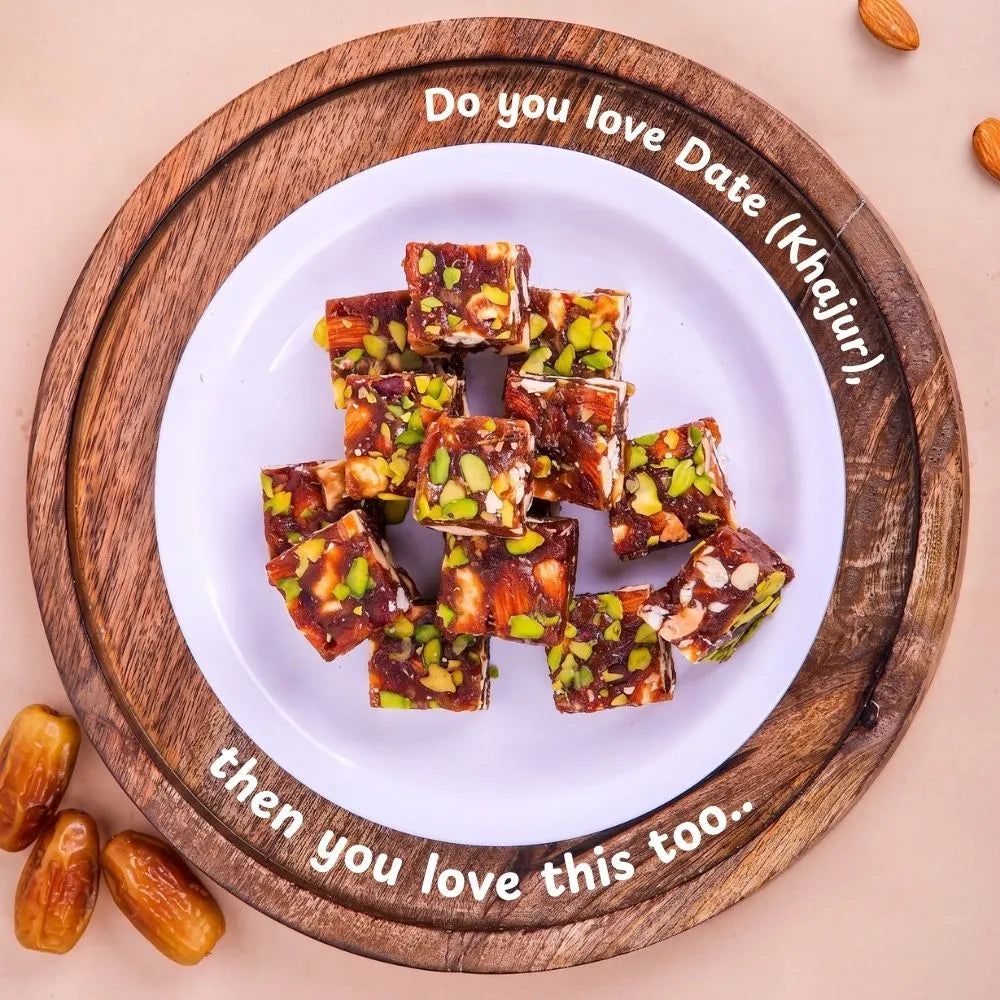
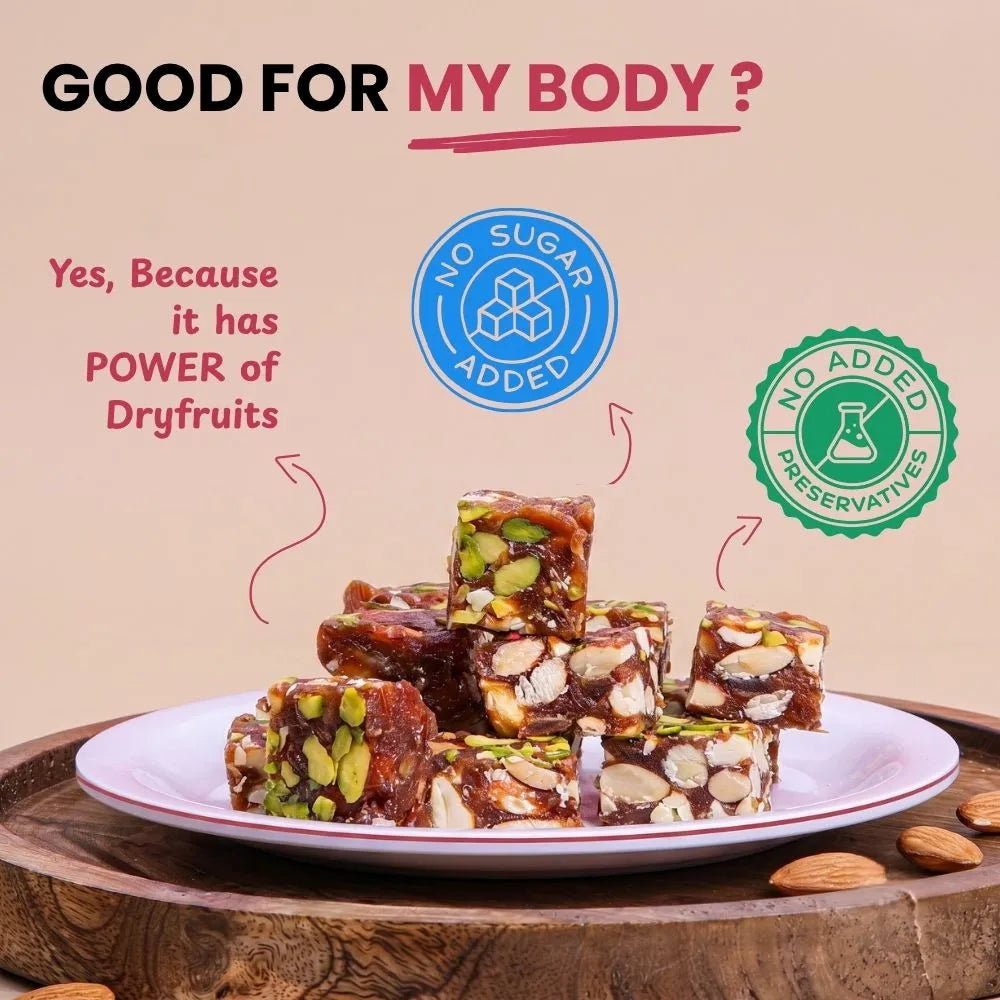
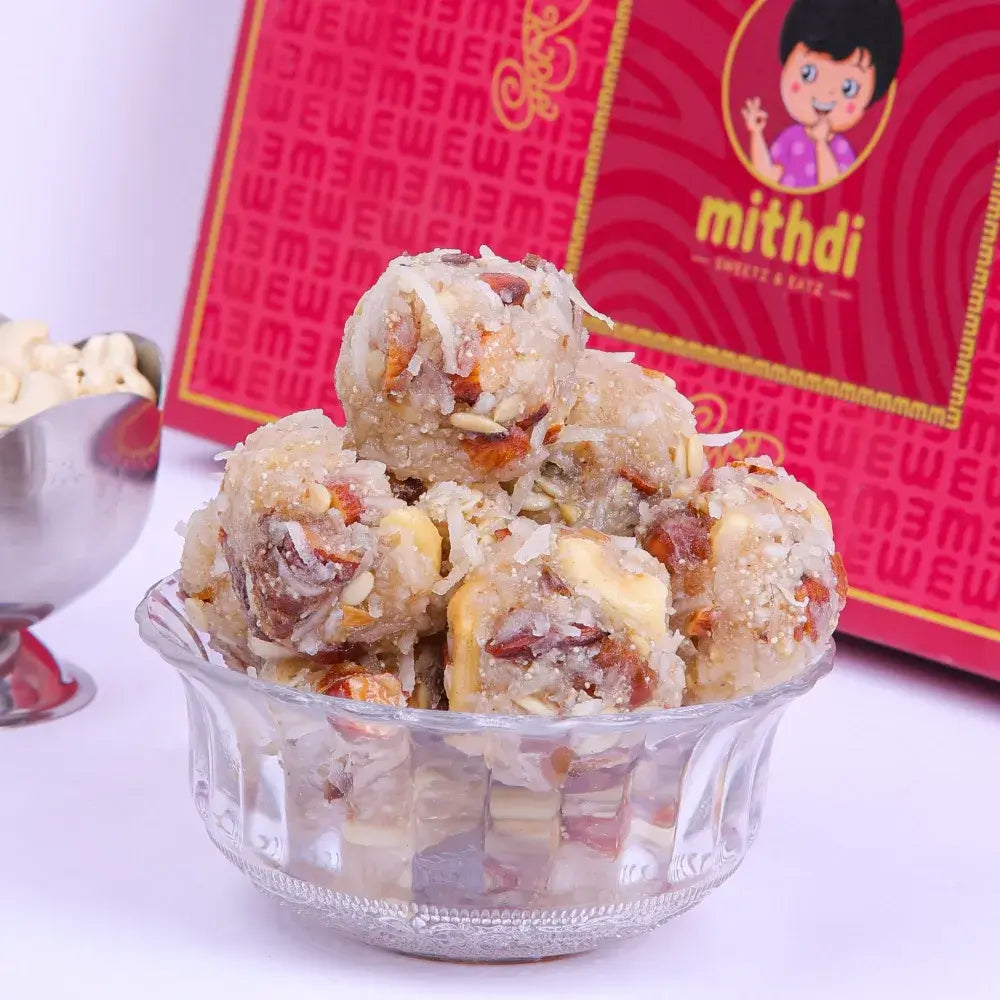
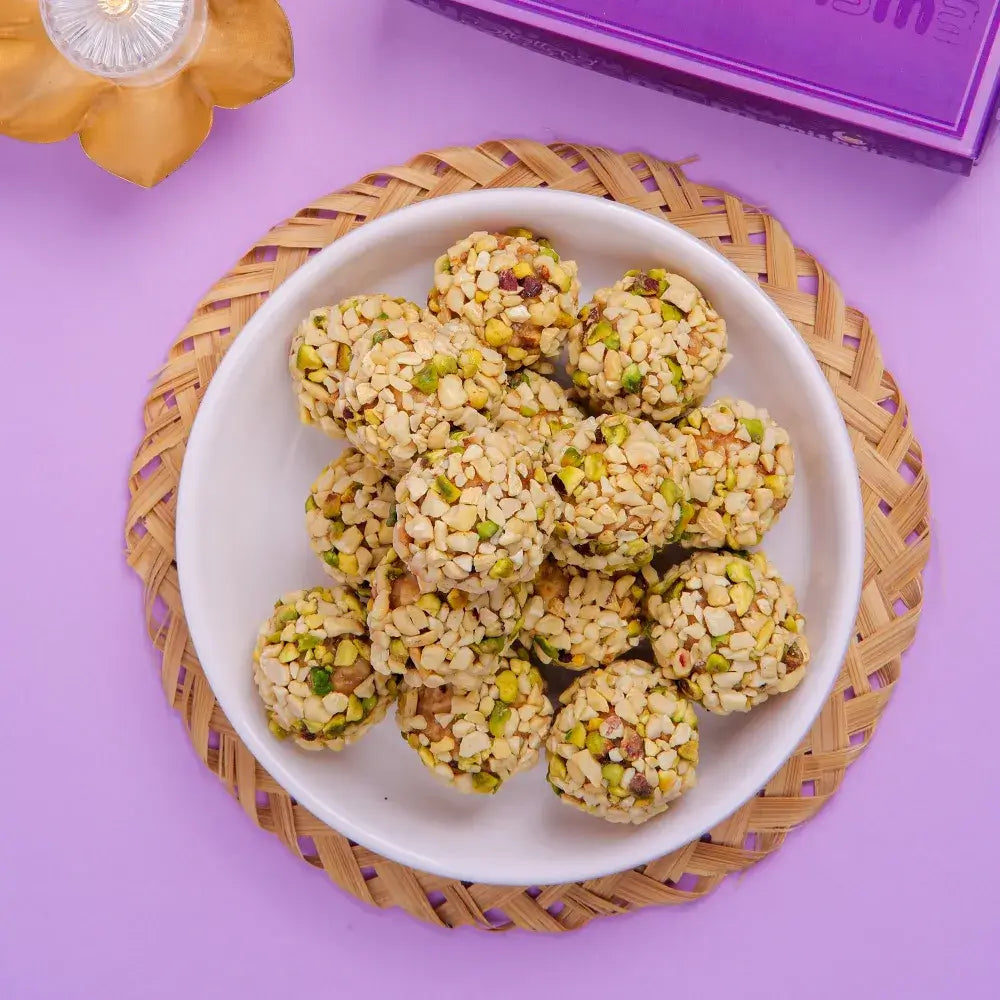
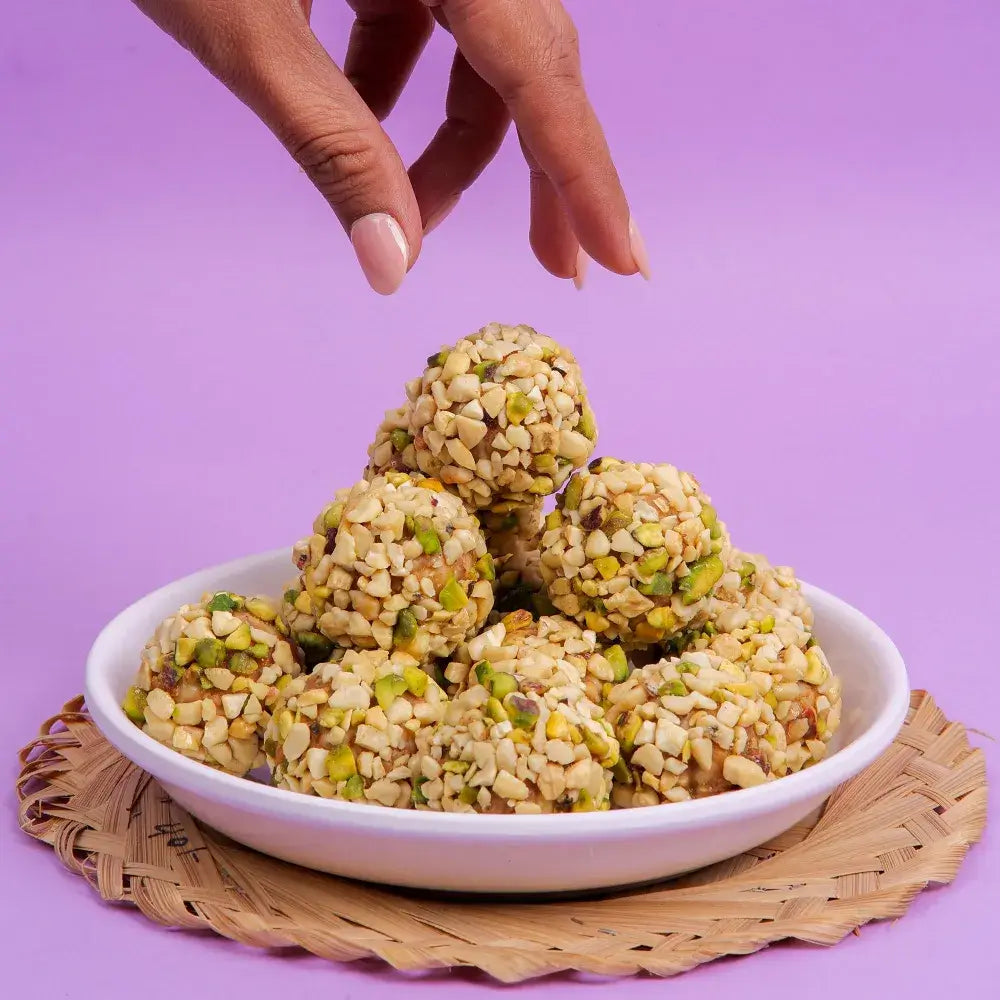
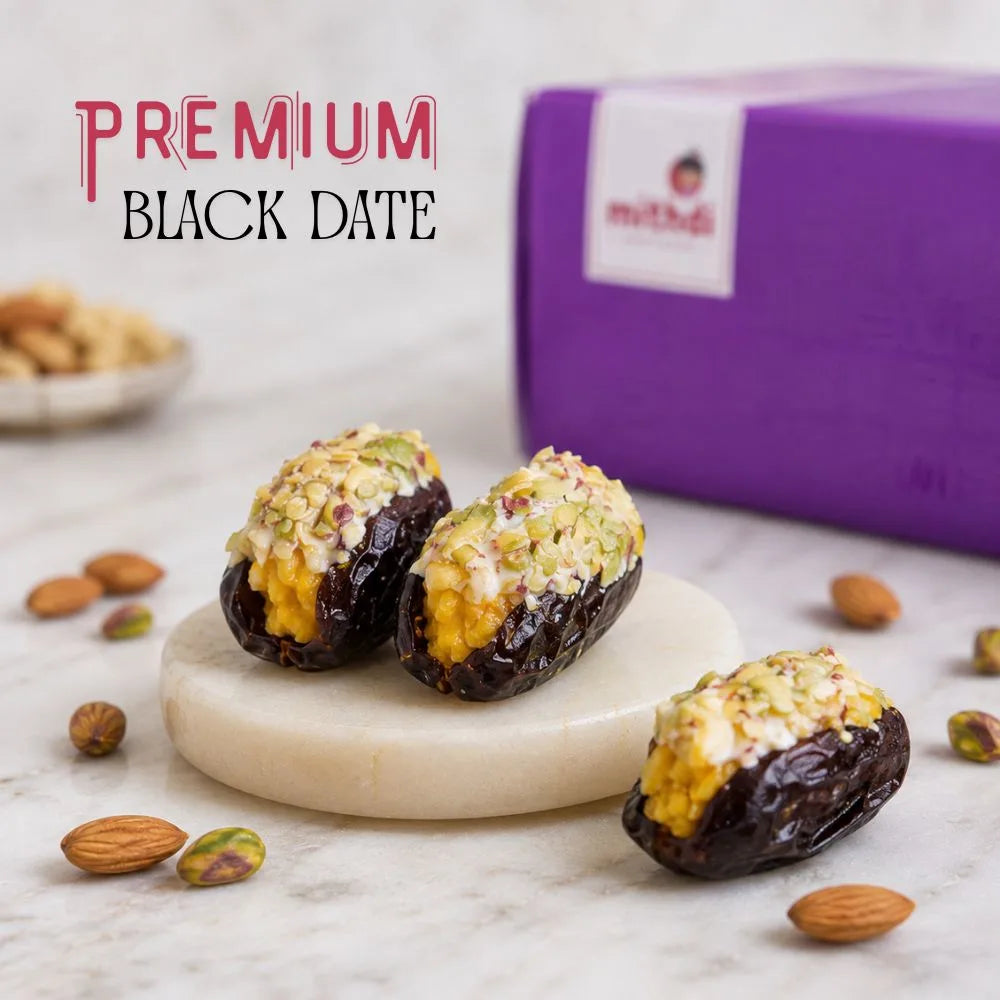
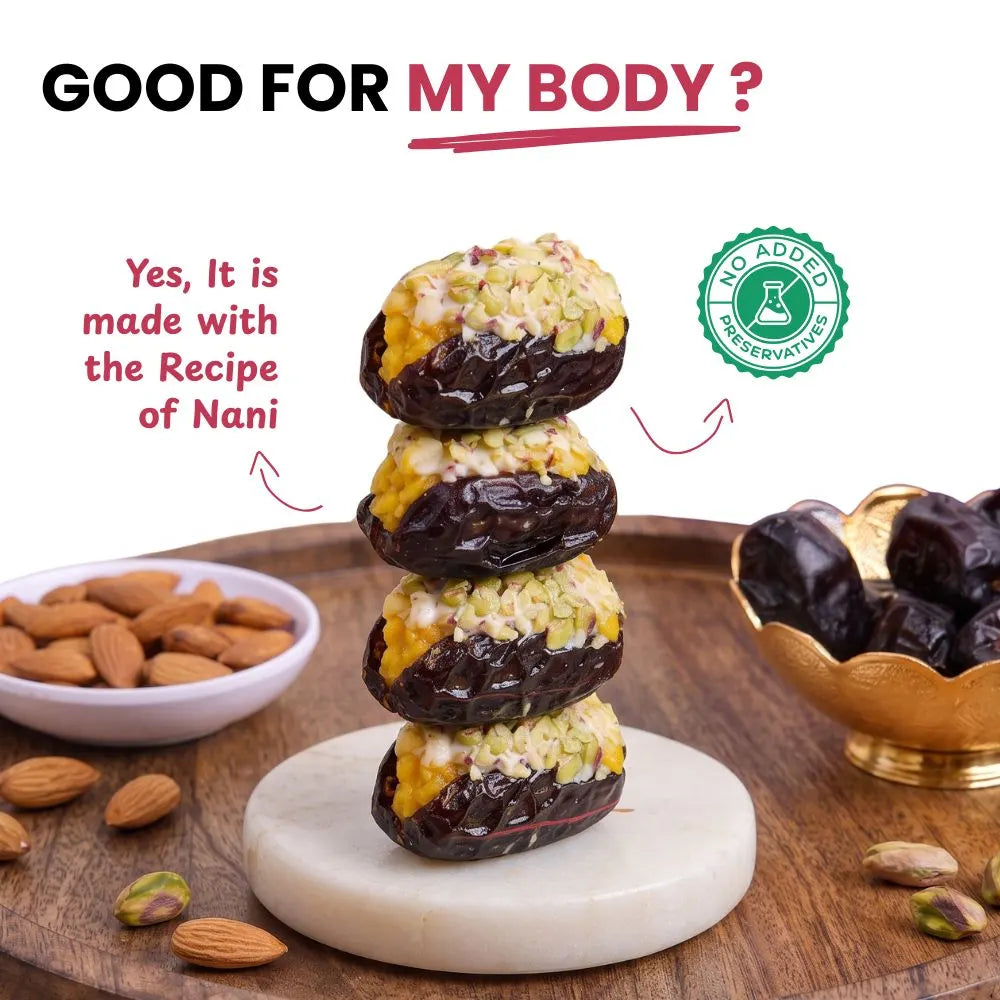
If you're buying from an unfamiliar seller and want to reduce risk, dry-fruit-based sweets are generally a safer starting point, since they rely less on khoya or mawa, which is the ingredient most commonly cut with cheaper substitutes. Options like our Khajur Chikki Date Bite or Roasted Almond Ladoo are built almost entirely from whole dates, nuts, and ghee, which makes them harder to fake convincingly and easier for you to verify with a simple taste and smell.
Why FSSAI Certification Matters
FSSAI certification isn't just a formality — it means a manufacturer has agreed to meet baseline standards for ingredients, hygiene, and labelling, and can be held accountable if they don't. At Mithdi, our FSSAI licence number (10718031001576) is displayed on every product page and every package that leaves our kitchen in Mota Varachha, Surat, specifically so you never have to take our word for it. Combined with the fact that we prepare everything fresh daily rather than stockpiling for festival demand, it's part of why customers keep coming back — we currently hold a 4.8-star rating from more than 25,000 customers, which we take as a responsibility more than a badge.
This is also why we've built out a full range of options across every category, from classic Indian sweets to our growing sugar free sweets India lineup made with dates, jaggery, and figs instead of refined sugar. Every single one carries the same FSSAI number and the same "no shortcuts" standard, whether you're buying one box for home or placing a bulk order for a corporate celebration.
Ready to Order?
Whether you are celebrating a festival, planning a wedding, or sending a thoughtful corporate gift, Mithdi has something made just for you, with full transparency on every ingredient. Visit mithdi.com to explore our full range, or place a bulk or corporate order here.
Frequently Asked Questions
Q: How can I tell if a sweet has been adulterated?
A: The clearest warning signs of adulterated sweets are an unnaturally bright or uneven colour, a chemical smell instead of a ghee aroma, a waxy texture instead of a natural melt, and silver vark that peels or looks metallic rather than sitting flat. A missing FSSAI number on the packaging is another major red flag that should make you think twice before buying.
Q: Is khoya or mawa always adulterated?
A: No, not always, but khoya is the ingredient most commonly cut with starch or vegetable fat because it's expensive to make properly. If you're unsure about a seller, dry-fruit or date-based sweets like chikki and ladoo carry lower adulteration risk since they don't rely on khoya at all.
Q: Why does mithai testing increase before Diwali?
A: Demand for sweets rises sharply in the weeks before Diwali, and unfortunately some manufacturers try to meet that demand by cutting corners on ingredients. Food safety departments across India typically run focused inspection drives during this period specifically because of this seasonal spike.
Q: How does Mithdi ensure its sweets are safe and authentic?
A: We are FSSAI certified under licence number 10718031001576, and every sweet is prepared fresh daily using pure desi ghee with no preservatives, artificial colours, or artificial flavours. We publish our licence details openly so customers never have to take our word for it.
Q: What should I do if I bought a sweet I suspect is fake?
A: Stop eating it, keep the packaging as evidence, and file a complaint with your state Food Safety Department or the FSSAI's consumer grievance portal. If you bought it from a shop with no visible FSSAI number, that should be part of your complaint as well.